

A used car inspection should answer one question quickly: is this vehicle merely imperfect, or is it hiding an expensive problem? The smartest approach is to check the car in layers. First, confirm its identity and history. Then inspect the exterior, tires, and cabin before the engine is fully warm. After that, use the startup and test drive to look for warning signs. If the car still makes sense, the last step is an independent pre-purchase inspection. If a seller resists any of those steps, that resistance is part of the inspection result. (consumer.ftc.gov).
Start with the VIN, title, and service records
Before looking at paint or listening for noises, check the paperwork. The 17-character VIN should match the dashboard plate, the driver-door label, the title, registration, and any service invoices. Run that VIN through NHTSA’s recall lookup to see whether the car has unrepaired safety recalls. Also review an NMVTIS-approved vehicle history report, which can show title status, the most recent odometer reading, brand history, and, in some cases, theft data. If the car is on a dealer lot, read the FTC Buyer’s Guide on the window; it tells you whether the vehicle is being sold as-is or with a warranty. (consumer.ftc.gov).
This first check is where many buyers save themselves from a bad deal. A salvage, rebuilt, junk, or flood brand is not an automatic rejection, but it changes the risk, the value, and how careful the rest of the inspection needs to be. Title brands are assigned by states, so the exact wording can vary. That is one reason a clean-looking car should never be judged by appearance alone. (vehiclehistory.bja.ojp.gov).
Inspect the body and cabin before the seller can explain away the details
Try to see the car in daylight on dry pavement. Walk around it slowly, then stand back and look at the whole vehicle. Mismatched paint, uneven panel gaps, overspray on rubber trim, cloudy headlamps on only one side, or a bumper that sits slightly crooked can suggest previous body repair. None of those automatically means “do not buy,” but they should push you to look closer inside the trunk, under the hood, and underneath the car for wrinkled metal, missing fasteners, or fresh sealer.
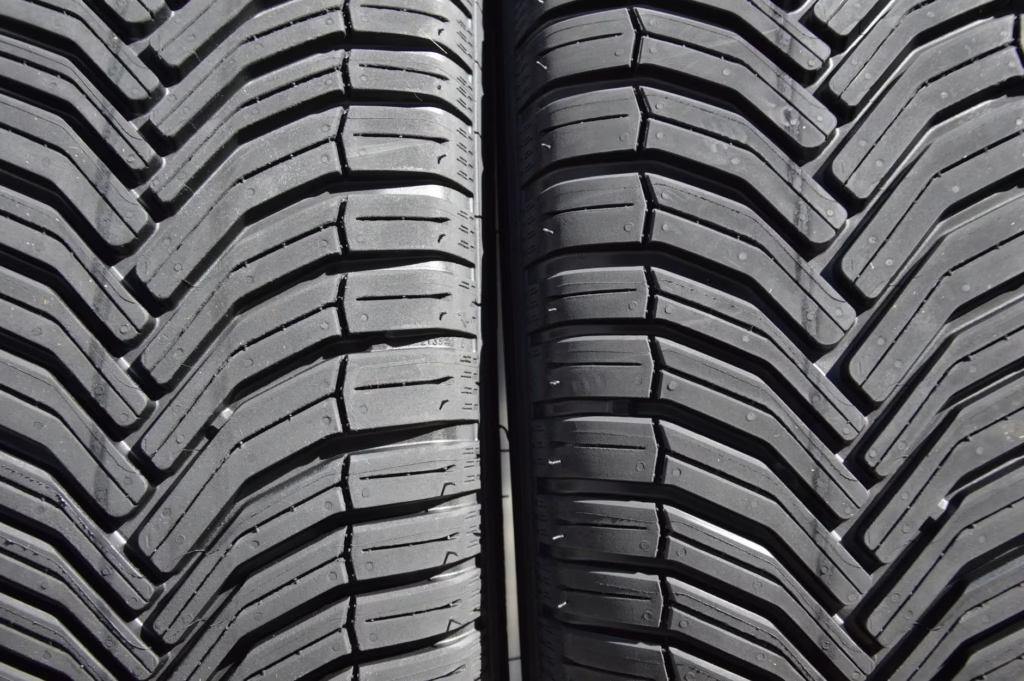
- Use the penny test on each tire. If the top of Lincoln’s head is visible, the tread is at or below the replacement threshold NHTSA warns about. Also look for cracks, bulges, or badly mismatched tires. (nhtsa.gov).
- Check whether the tire wear is even. Heavy wear on one edge can point to alignment, suspension, or inflation problems.
- Look under the parked car for wet spots, especially near the engine, transmission, and cooling system.
- Inspect the windshield and lights for cracks, moisture inside housings, or poor fit.
- Open the trunk and lift the cargo floor. Check the spare-tire well, carpet backing, and seams for rust, silt, or standing moisture.
- Inside the cabin, test the windows, locks, seat adjustments, infotainment basics, and climate control. Small failures are not always deal-breakers, but they can reveal how well the car has been maintained.
- Pay special attention to flood clues: a musty smell, a strong air freshener scent, dirt or waterlines in hidden areas such as the glove box or trunk, and unusual corrosion underneath. NHTSA notes that flood damage can affect a vehicle’s mechanisms for years and may not show up right away. (nhtsa.gov).
A cold start and a short drive reveal problems a parked car will not
Ask the seller not to start the car before you arrive. A cold start is more revealing than an engine that is already warm. When you turn the key or press the start button, the dash warning lights should come on briefly and then go out. If the check-engine light never appears at all, that can be suspicious too. Listen for knocking, rattling, belt squeal, or an idle that surges up and down. Then drive a route that includes neighborhood speeds, a few turns, several stops, and a short highway stretch.
- At low speed, turn the wheel fully in both directions in a parking lot. Clicking can point to CV joint trouble; groaning can suggest steering-system issues.
- Brake firmly but safely from a moderate speed. Vibration through the pedal or steering wheel can suggest brake or suspension problems.
- On a straight road, note whether the car tracks reasonably straight without constant steering correction.
- During acceleration, pay attention to hesitation, slipping shifts, or a shudder that shows up only under load.
- After the drive, let the engine idle for a minute, then check again underneath for fresh leaks and note whether you smell coolant, fuel, or burnt oil.
Not every flaw should end the deal. Worn wiper blades, tired tires, or a weak battery can be negotiation items if the price reflects them. Active warning lights, title inconsistencies, overheating, heavy exhaust smoke, harsh transmission behavior, structural rust, or obvious flood evidence are different. Those problems are easy to underestimate and expensive to sort out after the purchase.
If it passes your checklist, pay for a pre-purchase inspection anyway
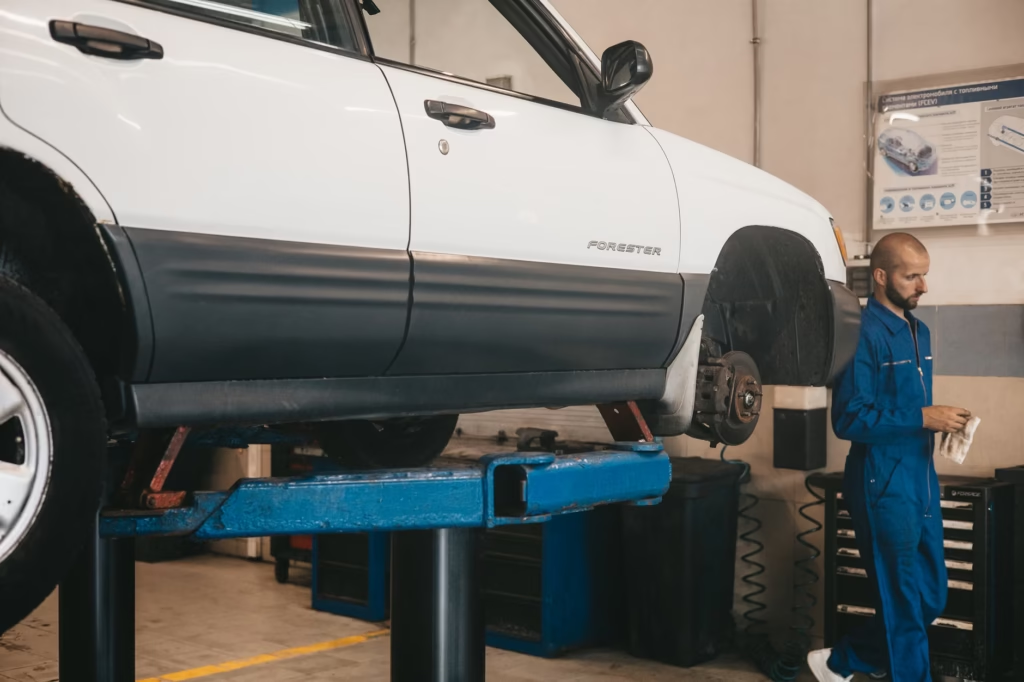
A driveway inspection is a filter, not a verdict. The FTC advises buyers to consider an independent inspection before buying, and that advice matters even more when the car looks unusually clean or the seller says it “needs nothing.” A shop or mobile mechanic can put the vehicle on a lift, scan for stored trouble codes, measure brakes and tires properly, and look for hidden crash or leak evidence that you are unlikely to catch in 20 minutes. If the seller refuses a reasonable pre-purchase inspection, that is usually a strong reason to keep shopping. (consumer.ftc.gov).
The best used car checklist does not find a perfect car. It helps eliminate the wrong one before money changes hands. Verify the VIN and history first, inspect the car before it is warmed up, use the test drive to look for expensive mechanical clues, and treat an independent inspection as the final checkpoint, not an optional extra.
References
- Federal Trade Commission: Buying a Used Car From a Dealer – https://consumer.ftc.gov/articles/buying-used-car-dealer
- National Highway Traffic Safety Administration: Check for Recalls – https://www.nhtsa.gov/recalls?vin=1fm5k8ar8ega91900
- Bureau of Justice Assistance: NMVTIS For Consumers – https://vehiclehistory.bja.ojp.gov/nmvtis_consumers
- National Highway Traffic Safety Administration: Tire Safety Ratings and Awareness – https://www.nhtsa.gov/vehicle-safety/tires
- National Highway Traffic Safety Administration: Hurricane- and Flood-Damaged Vehicles – https://www.nhtsa.gov/hurricane-and-flood-damaged-vehicles