
How to Check Tire Pressure and Avoid Premature Tire Wear
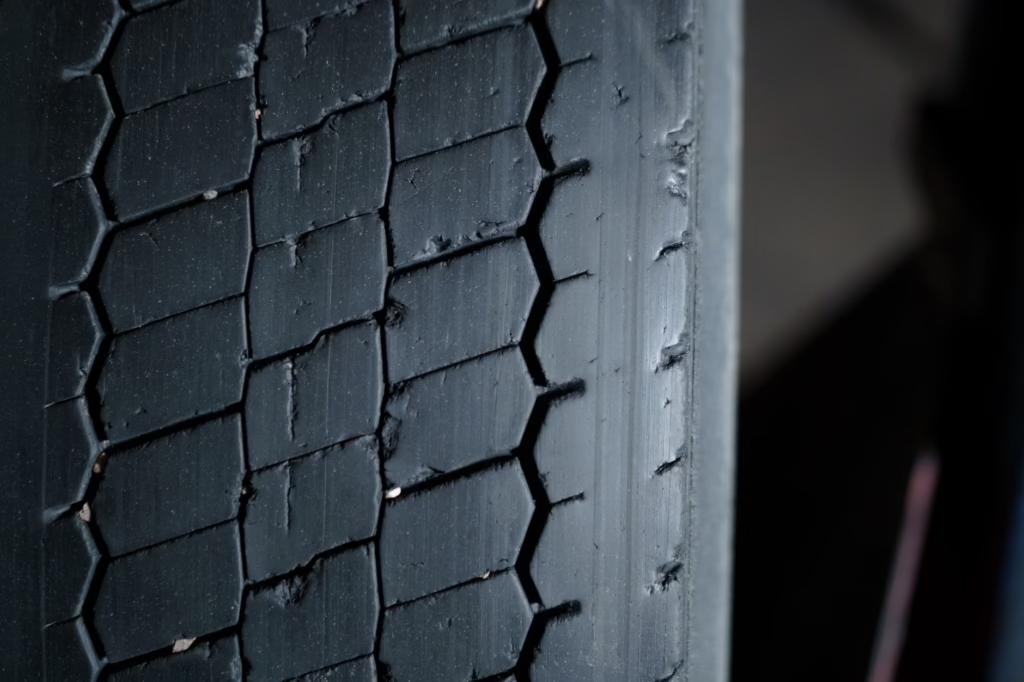
Checking tire pressure correctly is one of the simplest ways to protect tread life, fuel economy, and day-to-day safety. A quick monthly routine, plus a basic understanding of wear patterns, can help catch problems early
When Should You Replace Your Tires? Signs and Safety Tips
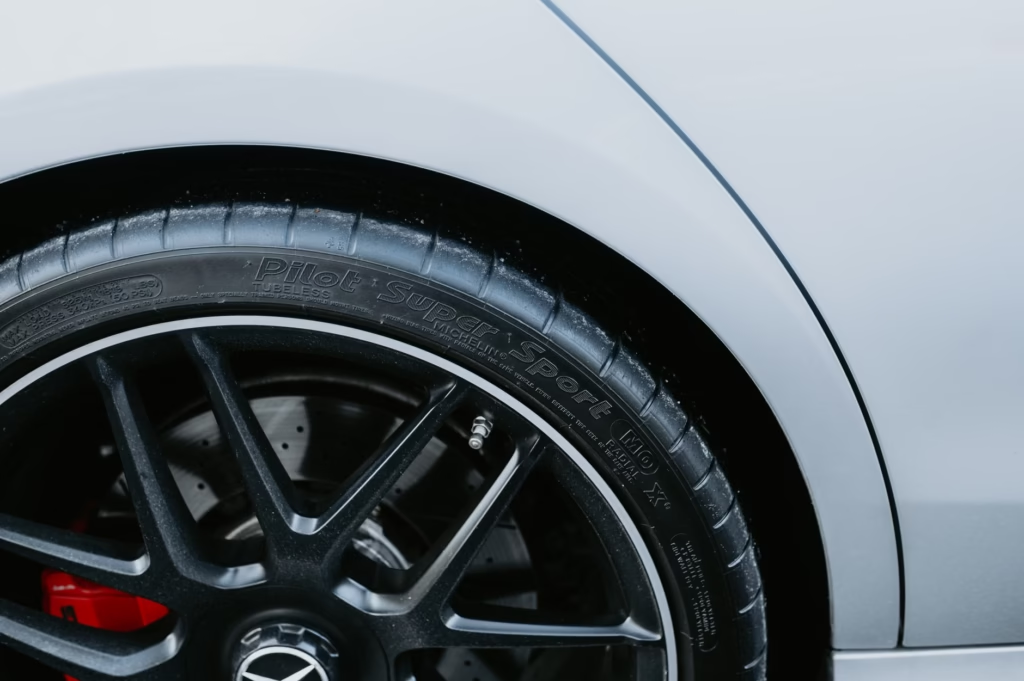
Tire replacement is not just about mileage. Learn the clear tread-depth limits, damage signs, age concerns, repair boundaries, and practical safety checks that tell you when it is time for new tires.
Steering Wheel Vibrates Only at 60–70 MPH: Tire Balance vs Bent Wheel Diagnosis
A steering wheel shimmy that shows up mainly at 60–70 mph is usually a wheel/tire issue—but it isn’t always simple “needs a balance.” Use this practical checklist to separate basic imbalance from bent wheel (runout) and—
Single Tire Wearing Faster on the Inside Edge: Alignment vs Worn Suspension Parts (How to Tell, What to Fix First)
If only one tire is wearing faster on the inside edge, you’re usually looking at an alignment condition on that corner—or a worn/bent suspension or steering part that’s changing alignment while you drive. This guide lays
Tire pressure drops overnight: how to tell temperature change from a slow puncture
If your tire pressure is lower in the morning, it could be normal temperature swing—or a slow leak. Use this practical, step-by-step check to separate “cold weather PSI drop” from a slow puncture, valve leak, or bead/rim