

The first hard freeze usually does not create a car problem out of nowhere. It exposes the weak battery, half-worn tires, marginal coolant, tired wiper blades, and small maintenance delays that summer let slide. Good winter prep comes down to four jobs: making sure the car will start, stop, see, and wait safely if a trip goes sideways. Cold weather reduces battery power, lowers tire pressure, increases washer-fluid demand, and can also reduce EV range, so minor weaknesses become obvious fast. (nhtsa.gov)
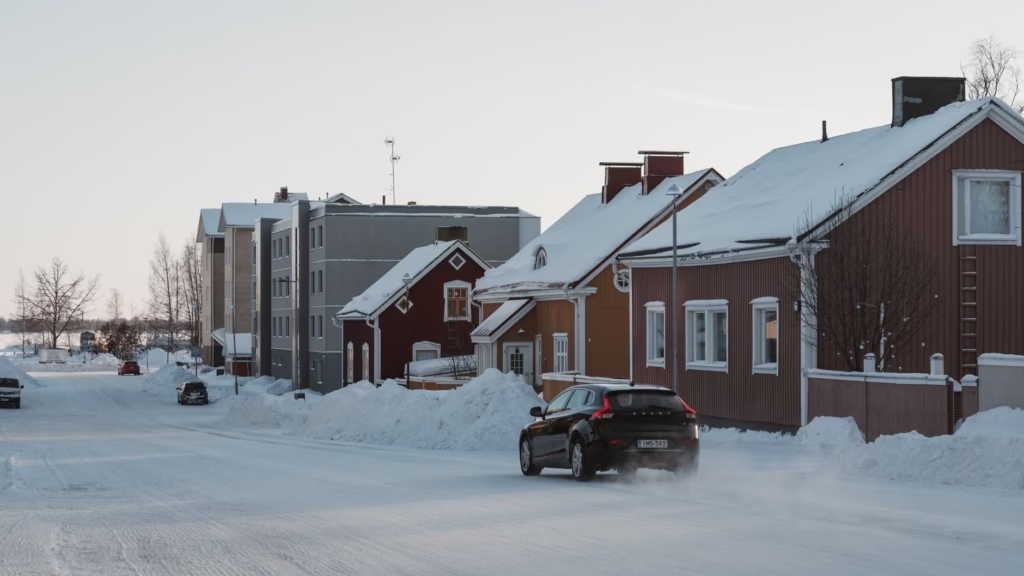
- Test the battery and charging system before the first serious cold snap. Cold weather cuts battery power, and gasoline and diesel engines need more power to start in low temperatures. (nhtsa.gov)
- Check tire pressure when the tires are cold, and use the vehicle’s door-jamb recommendation, not the maximum number on the tire sidewall. Tire pressure drops as temperatures fall, and Michelin notes tires lose about 1 PSI for every 10°F drop. (nhtsa.gov)
- If winter where you live means sustained cold, frequent snow, or early-morning untreated roads, tire choice matters more than drivetrain badges. Winter tires are more effective than all-season tires in deep snow, and AWD does not replace winter grip. (nhtsa.gov)
- Verify coolant, winter washer fluid, wipers, defrosters, and lights before the season starts. These are small items until the day visibility collapses and the windshield will not clear. (nhtsa.gov)
- Carry a realistic winter kit, keep fuel close to full or the EV well charged, and check weather and road conditions before leaving. If stranded, stay with the vehicle and manage exhaust safety carefully. (nhtsa.gov)
- Do not depend on long idling to “warm up” a modern gas vehicle mechanically. EPA says modern vehicles generally do not require winter warm-up idling, though the car still must be cleared and safe to drive before moving. (epa.gov)
Use a cold-morning simulation, not a vague checklist
The best time to prepare a car for winter is before the first storm forces the issue. That gives you time to order tires, replace a weak battery, book a shop visit, and fix small problems while the job is still convenient. NHTSA’s winter guidance also emphasizes checking tires, battery, coolant, lights, wipers, and emergency supplies before winter weather hits. (nhtsa.gov)
A practical way to do that is what this article calls the First-Freeze Test: on the first morning near or below freezing, treat your driveway like a dress rehearsal for January. The point is not to admire the car. The point is to catch borderline systems before they become a no-start, a no-defrost, or a bad commute in sleet. This is an editorial diagnostic method, not an industry standard, but it is useful because winter failures tend to reveal themselves during the first true cold start. (nhtsa.gov)
- Let the car sit overnight, then start it cold. Listen for slow cranking, watch for battery or warning lights, and pay attention to whether the engine starts decisively or sounds strained. Cold weather reduces battery output while the vehicle needs more power to start. (nhtsa.gov)
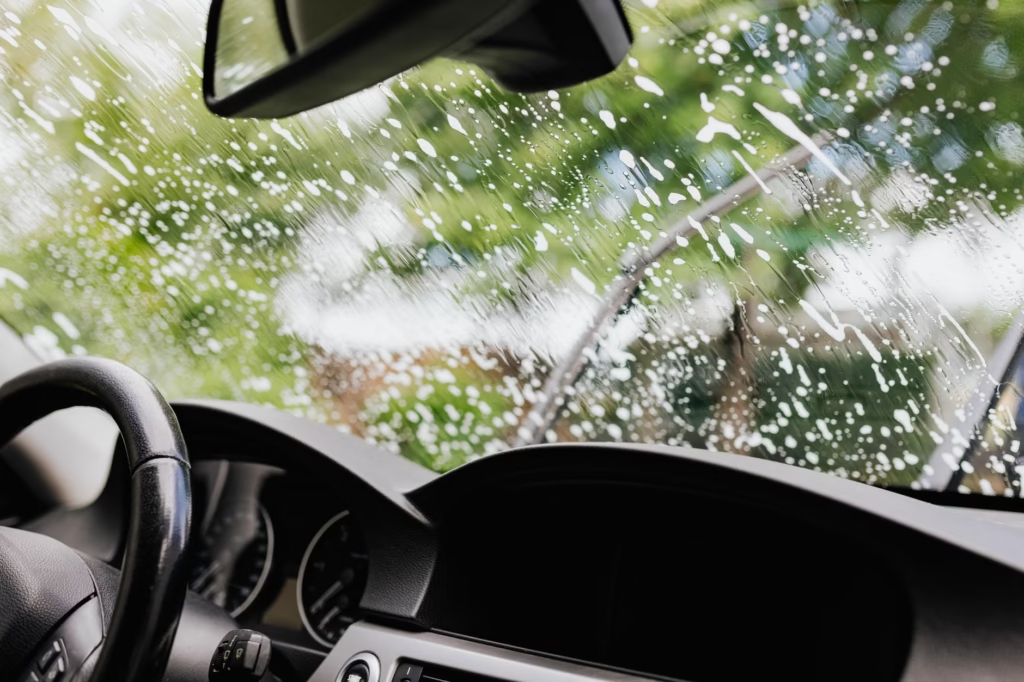
- Spray the washer fluid, run the wipers, and test the front and rear defrosters. NHTSA recommends a winter washer fluid with de-icer and replacing worn blades before winter weather arrives. (nhtsa.gov)
- Check tire pressure before driving, while the tires are cold, and compare it with the placard on the driver’s door frame or the owner’s manual. Do not use the maximum PSI molded into the tire sidewall as the target. (nhtsa.gov)
- Walk around the car and check headlights, brake lights, turn signals, hazards, and the spare tire. NHTSA specifically recommends checking all exterior lights and not forgetting the spare. (nhtsa.gov)
- Confirm that the emergency kit is still stocked, the phone charger works, and the fuel tank is topped up or the EV is adequately charged before bad weather begins. (nhtsa.gov)
This one test often reveals the winter trouble spots that summer driving hides: the battery that is just weak enough to struggle, the washer fluid that is not winter-rated, the tire that is several PSI low, or the wiper blade that seemed merely old until it has to clear salt spray in darkness. (nhtsa.gov)
Start with the battery, because winter failures are often electrical before they are mechanical
If there is one component that deserves attention first, it is the battery and charging system. NHTSA notes that battery power drops as temperatures fall, and gasoline and diesel engines need more battery power to start in cold weather. That is why a battery that felt merely average in mild weather can become a no-start problem once temperatures drop. A sensible pre-winter service visit includes a battery and charging-system check, plus a quick look at belts and obvious corrosion or loose connections. (nhtsa.gov)
Observable warning signs matter more than wishful thinking. Slow cranking, repeated jump-starts, dimming lights during startup, or a battery that only seems happy after a long drive are all signs to take seriously before winter deepens. This is also a place for realistic judgment: if the car already struggles on a 40-degree morning, waiting for a single-digit morning is not thrift. It is gambling with inconvenience. (nhtsa.gov)
EVs and hybrids need a slightly different winter plan
Cold weather changes the prep list for electrified vehicles, but not the logic behind it. NHTSA notes that EV and hybrid range can be reduced in winter, and DOE recommends practices like covered parking when possible, maintaining a healthy charge, and preconditioning while the car is still plugged in so battery and cabin heating draw less heavily on driving range. In plain terms, winter EV prep is about energy management as much as basic safety. Drivers with tight daily range margins should plan more conservatively in winter than they do in October. (energy.gov)
Tires decide whether the car can stop and turn
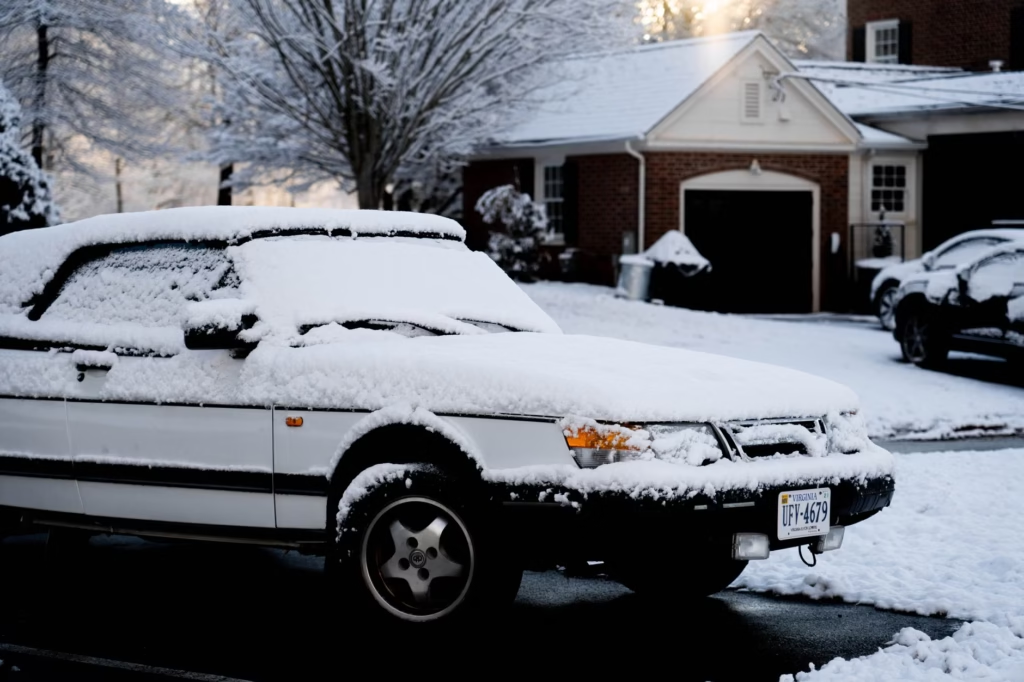
Winter prep discussions often fixate on AWD, but the more important question is what touches the road. As temperatures drop, tire pressure drops with them. NHTSA warns drivers to use the vehicle manufacturer’s recommended cold inflation pressure, and Michelin says tires lose about 1 PSI for every 10°F drop in temperature. That means a tire set correctly in early fall can be meaningfully underinflated by midwinter without an actual puncture. Underinflation hurts grip, steering response, and braking when those margins are already thinner. (nhtsa.gov)
Check pressure when the tires have been parked for several hours, not after driving. Inspect the tread and sidewalls at the same time. NHTSA says tread should be at least 2/32 inch on all tires, but treating the legal minimum as a comfortable winter target is not a great strategy. In snow, slush, and cold rain, deeper useful tread gives the tire more chance to evacuate water and bite into loose material. If a tire is visibly worn, cracked, cut, or bulging, winter will not be gentle with it. (nhtsa.gov)
| Tire setup | Usually makes sense for | Main advantage | Main limitation |
|---|---|---|---|
| Summer tires | Warm regions with no true winter driving | Strong performance in warm conditions | Not designed for below-freezing temperatures or snow and ice. (nhtsa.gov) |
| All-season tires | Moderate climates with mostly plowed roads and occasional light snow | Year-round convenience | A compromise in deep snow and sustained severe cold. Winter tires are more effective in deep snow. (nhtsa.gov) |
| All-weather tires with 3PMSF | Drivers who want one set year-round but face real winter conditions | Severe-snow certification without seasonal swaps | Still a compromise compared with a dedicated winter tire in the worst snow and ice. (michelinman.com) |
| Dedicated winter tires | Frequent snow, icy side streets, hills, mountain travel, or long periods below 45°F | Best cold-weather grip, braking, and control when used on all four wheels | Extra cost, seasonal storage, and the need to swap them off when weather warms. (michelinman.com) |
A workable decision rule is this: if local winter means weeks of temperatures around or below 45°F, regular dawn or late-night driving, hills, untreated neighborhood roads, or frequent snow and ice, tire choice deserves more than a shrug. Michelin recommends winter tires once average daily temperatures consistently fall below 45°F, and it also notes that AWD or 4WD does not replace the need for winter traction on all four tires. If winters are milder where you live, a strong all-season or 3PMSF-rated all-weather tire may be enough, but pressure and tread still need attention. (michelinman.com)
One common mistake is thinking drivetrain and tire choice are interchangeable. They are not. AWD helps the vehicle get moving, but braking and cornering still depend on tire grip. That is why an AWD crossover on low-pressure, half-worn all-seasons can be less winter-ready than a front-wheel-drive sedan on properly inflated winter tires. (michelinman.com)
Fluids, cooling system, and visibility are where small oversights become big winter problems
Cold weather is not kind to neglected fluids. NHTSA recommends making sure the car has enough coolant and that it meets the manufacturer’s specifications, then checking for leaks, testing the coolant, and draining or replacing old coolant as needed. The key distinction is that “full” is not the same as “correct.” A reservoir can be full and still have the wrong concentration, old fluid, or a slow leak that will matter more in January than it did in September. (nhtsa.gov)
- Switch to winter-rated washer fluid, especially if your area sees hard freezes. NHTSA specifically recommends high-quality winter fluid with de-icer. (nhtsa.gov)
- Replace worn wiper blades before they start smearing salt film and sleet across the windshield. If you live in a heavy-snow region, winter blades may be worth considering. (nhtsa.gov)
- Test the front and rear defrosters before the first storm. A heater that is merely “not great” in November becomes a real visibility problem when the windshield fogs and refreezes. (nhtsa.gov)
- Follow the owner’s manual for the correct oil and service interval. EPA’s general guidance also stresses using the recommended motor oil rather than guessing. (epa.gov)
Two often-overlooked items deserve their own mention: lights and floor mats. Winter brings longer darkness, dirty roads, and worse visibility, so every exterior light should work. And if you swap to heavier rubber mats for slush season, make sure they are the correct fit and properly secured. NHTSA warns that improperly installed floor mats can interfere with the accelerator or brake pedal. (nhtsa.gov)
Do not stack floor mats or leave a loose aftermarket mat sliding forward in winter boots and slush. This is an easy-to-miss hazard with outsized consequences. (nhtsa.gov)
Pack for delay, not disaster theater
A winter emergency kit should match the kind of trips the car actually makes. A commuter who stays near town needs less than someone who crosses rural highways after dark, but both should be ready for a breakdown, a spin into a snowbank, or a highway closure. NHTSA recommends carrying tools for snow and ice, traction help, lighting, first aid, warmth, communication, and basic food and water. (nhtsa.gov)
- Core kit: ice scraper, snow brush, small shovel, abrasive material such as sand or kitty litter, jumper cables, flashlight, warning markers, blankets, phone charger, water, food, and necessary medicine. (nhtsa.gov)
- Route-specific add-ons: extra gloves, hat, socks, and a second charging cable or charging plan for longer EV trips in real winter conditions. DOE recommends more conservative range planning for EVs in cold weather. (energy.gov)
- Maintain the kit too: dead flashlight batteries, missing gloves, and stale chargers are common ways a “prepared” trunk stops being useful. (nhtsa.gov)
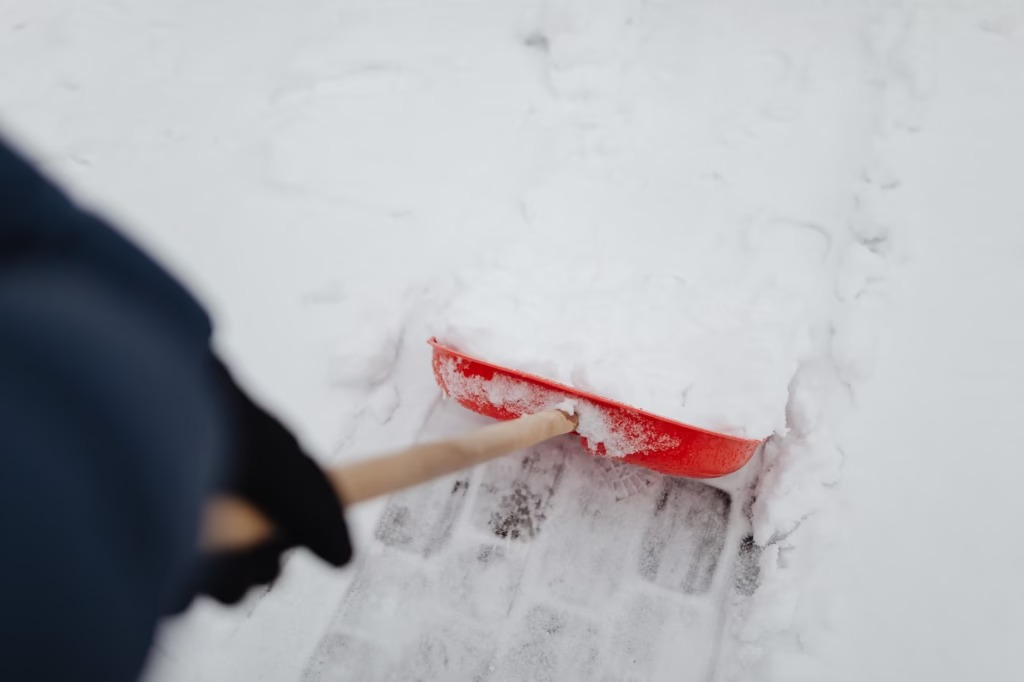
If you are stranded in winter weather, NHTSA advises staying with the car, keeping the exhaust pipe clear of snow, and running the vehicle only intermittently to stay warm so carbon monoxide does not build up. (nhtsa.gov)
A few habits matter as much as the maintenance list
Some winter preparation is not under the hood at all. NHTSA recommends keeping the gas tank close to full whenever possible, keeping EVs charged, checking weather and traffic before leaving, and postponing nonessential travel when roads are not in good shape. It also recommends understanding how your vehicle’s safety technologies behave in winter, including how ABS should feel under hard braking. Preparation is partly mechanical and partly about reducing the odds of needing that preparation. (nhtsa.gov)
Another habit worth correcting is excessive warm-up idling. EPA says modern vehicles generally do not require winter warm-up idling before driving. For most gas vehicles, the better routine is to start the car, clear the windows completely, get settled, and then drive gently until the engine reaches normal temperature. That said, visibility is not optional. If the windshield is still fogged or iced, the car is not ready to move, regardless of what the mechanical advice says. (epa.gov)
A simple hypothetical shows how preparation works in real life. Imagine two drivers with the same compact SUV. One has an okay battery, half-worn all-season tires, low tire pressure, and summer washer fluid. The other has correct pressure, a stronger cold-weather tire strategy, fresh washer fluid, and wipers that actually clear the glass. The second driver is not magically immune to ice, but that driver has better odds of seeing, steering, and stopping with a margin instead of a near miss. Winter prep is mostly about margin. (michelinman.com)
Common winter-prep mistakes that cause avoidable trouble
- Using the PSI molded into the tire sidewall instead of the vehicle placard. The sidewall number is the tire’s maximum pressure, not the carmaker’s recommended operating pressure for your vehicle. (nhtsa.gov)
- Assuming AWD solves winter braking. It does not. Tire grip still determines braking and cornering performance. (michelinman.com)
- Checking tread once and then ignoring pressure all season. Cold weather can steadily reduce pressure even when there is no leak. (michelinman.com)
- Topping off coolant or washer fluid without verifying that the product is suitable for freezing conditions and meets the car’s specifications. (nhtsa.gov)
- Waiting until the first storm to buy wipers, schedule a battery test, or think about tires. By then, inventory tightens, shop schedules fill up, and the car is already being asked to work harder. (nhtsa.gov)
- Ignoring recalls or persistent warning lights heading into winter. NHTSA’s recall lookup exists for a reason, and winter is a bad time to discover a known unresolved safety issue. (nhtsa.gov)
Do the unglamorous work now
Preparing a car for winter is rarely about one dramatic repair. It is usually a collection of ordinary, unflashy decisions made early: test the battery, correct the tire pressure, decide honestly whether the tires are right for the climate, verify coolant and washer fluid, replace bad wipers, check the lights, and stock the trunk for a delay instead of a perfect day. If even one of those areas looks weak during the First-Freeze Test, that is the one to fix this week, not after the next weather alert. (nhtsa.gov)
FAQ
Do I need winter tires if I already have all-wheel drive?
Possibly, yes. AWD helps a vehicle accelerate from a stop, but it does not replace tire grip for braking or cornering. Michelin’s winter tire guidance explicitly says AWD and 4WD vehicles still need winter-ready tires on all four wheels for balanced control, and NHTSA notes winter tires are more effective than all-season tires in deep snow. If your winters are consistently cold or snowy, AWD alone is not a complete winter plan. (nhtsa.gov)
How often should tire pressure be checked in winter?
At minimum, check it monthly and before long trips, and always check when the tires are cold. NHTSA recommends cold-pressure checks, and Michelin notes that pressure drops roughly 1 PSI for every 10°F drop in temperature, which is why a tire can lose pressure through weather alone. Do not wait for the TPMS light to become your maintenance schedule. (nhtsa.gov)
Is it okay to idle the car to warm it up on cold mornings?
For most modern gas vehicles, long mechanical warm-up idling is generally unnecessary. EPA says modern vehicles do not require winter warm-up idling before driving. A better routine is to clear the windows fully, get settled, and drive gently until the vehicle reaches temperature. The exception is practical visibility and safety: if the glass is still iced or fogged, do not drive yet. (epa.gov)
What should EV owners do differently in winter?
Plan around range loss and battery heating. NHTSA notes cold weather can reduce EV range, and DOE recommends maintaining a healthy charge, using covered parking when possible, and preconditioning while the car is still plugged in so some of that heating load comes from the charger rather than the driving battery. If your commute usually leaves a narrow range buffer, winter is the season to widen it. (energy.gov)
Can I winterize my car myself, or should I book a shop visit?
Many parts of winter prep are easy to do at home: pressure checks, kit restocking, light checks, wipers, washer fluid, and a visual tire inspection. A shop visit makes more sense for battery and charging-system testing, coolant testing, unresolved warning lights, alignment concerns, leaks, or if you are making a tire change for the season. The best dividing line is whether the job requires specialized testing or whether a failure would have meaningful safety consequences if you guessed wrong. (nhtsa.gov)
References
- NHTSA: Winter Weather Driving Tips – https://www.nhtsa.gov/winter-driving-tips
- NHTSA: Tire Safety Ratings and Awareness – https://www.nhtsa.gov/vehicle-safety/tires
- Michelin USA: Preparing for Winter – How Cold Affects Tire Pressure and When to Switch Tires – https://www.michelinman.com/auto/auto-tips-and-advice/driving-tips/prepare-car-winter
- Michelin USA: Winter Tire Buying Guide – https://www.michelinman.com/auto/auto-tips-and-advice/tire-buying-guide/guide-to-buying-winter-tires
- U.S. Department of Energy: Winterizing Your Electric Vehicle – https://www.energy.gov/articles/winterizing-your-electric-vehicle
- U.S. EPA: What You Can Do to Reduce Pollution from Vehicles and Engines – https://www.epa.gov/transportation-air-pollution-and-climate-change/what-you-can-do-reduce-pollution-vehicles-and