

Brake pads usually give some warning before they are worn all the way down. The signs worth paying attention to are repeatable noise while braking, visible loss of pad material, or a change in how the pedal or vehicle feels when slowing down. What matters most is not chasing every little sound, but noticing a pattern that happens again and again under braking. (toyota.com)
The clearest clues show up in sound and brake feel
A sharp squeal every time the brake pedal is pressed is one of the classic signs of pad wear. Honda notes that a continuous metallic friction sound during braking can come from the pad wear indicator contacting the rotor, which is meant to alert the driver that the pads need replacement. Toyota gives similar advice, telling owners to have the pads checked as soon as a squealing or scraping wear-indicator noise appears. (owners.honda.com)
Grinding is more serious. That sound can mean the pad friction material is badly worn and the metal backing is contacting the rotor. Toyota warns that this kind of scraping or grinding can damage both parts, which is why waiting for a brake job to become noisy can turn a relatively simple pad replacement into a larger repair. (toyota.com)
Not every brake problem is really a brake pad problem, though. If the pedal feels soft or squishy, the steering wheel shudders under braking, the vehicle takes more effort to stop, or a brake warning light comes on, Ford says the brakes should be inspected immediately. Those symptoms can point to worn pads, but they can also involve rotors, brake fluid, or other parts of the system. (ford.com)
If braking performance suddenly worsens, the pedal feels abnormally soft, or a brake warning light appears, do not assume it is only normal pad wear. Treat it as an inspection-now problem. (ford.com)
A quick visual check can help before you book service
If the wheel design leaves enough space between the spokes, a flashlight and a close look can tell you whether the pads appear to be getting thin. This is not as precise as a proper measurement, but it is a useful screening check when a new noise starts or the vehicle is due for service. (toyota.com)
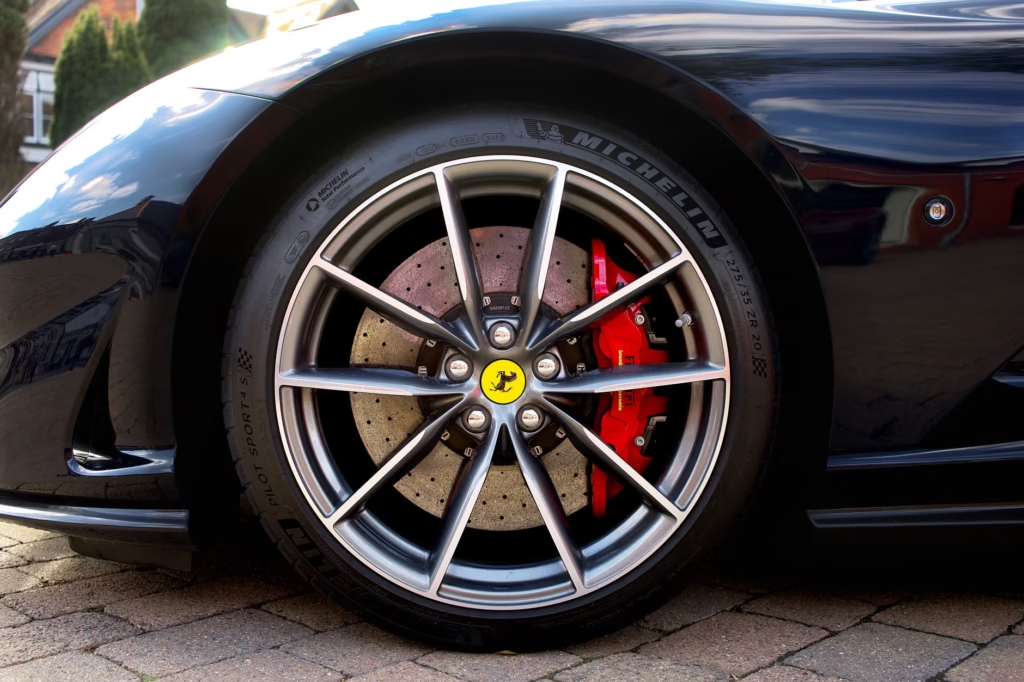
- Park on level ground, switch the vehicle off, and let the brakes cool enough that you can inspect near the wheel safely.
- Look through the wheel spokes toward the brake rotor. The pad sits against the rotor, and on many vehicles that view is enough for a basic owner check. (toyota.com)
- Focus on the friction material, not just the metal backing behind it. If the visible friction layer looks very thin, do not keep guessing. Schedule an inspection. (toyota.com)
- If the wheel blocks your view, or you are not sure what you are seeing, ask the shop to measure the pads and note the remaining material. Ford also advises checking the owner’s manual for vehicle-specific brake guidance. (ford.com)
One useful nuance here: owner-facing guidance is usually conservative. Toyota’s consumer guidance says pad material under about a quarter inch is a sign to consider replacement, while Ford points owners back to the manual for model-specific recommendations. That is a good reminder that a driveway look is best used to confirm that service may be needed soon, not to declare that the pads are definitely fine. (toyota.com)

The mistake is treating every squeak the same way
A brief chirp on a damp morning is not the same thing as a repeatable wear-indicator squeal. Honda notes that some brake squeal can be normal under certain conditions such as humidity, speed, or deceleration, and that an occasional squeak when the brakes are first applied may come from pad vibration rather than worn-out pads. A practical rule is simple: a one-off noise can be watched, but a noise that shows up every time the brakes are used deserves attention. (owners.honda.com)
It also helps to remember that brake wear is not on a fixed timetable. Ford says wear varies with vehicle type, driving conditions, and driving habits, and recommends having the brakes checked at every maintenance visit. That matters because some cars warn loudly, while others may simply feel a little less sharp over time. If a shop says the pads are getting low, ask for the remaining thickness and whether the rotors also need attention. (ford.com)
The safest habit is to act before grinding starts. If the sound repeats under braking, the visible pad material looks thin, or the pedal and stopping feel have changed, schedule a proper brake inspection soon. Pads are a wear item. Rotors do not need to become one. (toyota.com)
References
- Honda Owners: 2023 Civic Hatchback Brakes (owner manual PDF) – https://owners.honda.com/utility/download?path=%2Fstatic%2Fpdfs%2F2023%2FCivic+Hatchback%2F2023_Civic_5D_Brakes.PDF
- Toyota: Signs You May Need New Brake Pads – https://www.toyota.com/car-tips/signs-new-brake-pads/
- Ford Support: When should I have the brakes inspected? – https://www.ford.com/support/how-tos/owner-resources/vehicle-maintenance/when-should-i-have-the-brakes-inspected/
- Ford Support: Brake Service Advice – https://www.ford.com/support/how-tos/more-vehicle-topics/brakes/brake-service-advice/
- Toyota Owner Manual PDF: Brake pad wear limit indicators – https://assets.sia.toyota.com/publications/en/om-s/OM12704U/pdf/OM12704U.pdf