
If a car has a gasoline or diesel engine, there are usually two different filters in play: an engine air filter and a cabin air filter. For many late-model vehicles, a reasonable starting expectation is an engine air filter somewhere around 15,000 to 30,000 miles and a cabin air filter somewhere around 12,000 to 30,000 miles, with earlier replacement in dusty, sooty, or heavily polluted conditions. But that range is only a starting point. Ford, Hyundai, Toyota, Chevrolet, and Honda all publish slightly different guidance, and Honda also uses Maintenance Minder service codes on some models. The owner’s manual or factory maintenance schedule for the exact vehicle is the rule that matters most. (ford.com)
Table of Contents
- TL;DR
- The first mistake is treating both filters as the same maintenance item
- Use the first-trigger rule instead of chasing one magic mileage number
- Why some drivers should ignore the high end of the mileage range
- What an overdue filter actually changes
- How to check your filters without turning it into a guess
- Common mistakes that lead to bad filter decisions
- Special cases: hybrids, EVs, and low-mileage cars
- FAQ
- References
TL;DR
- Think in two categories, not one: the engine air filter protects combustion airflow, while the cabin air filter affects HVAC airflow and in-cabin air quality. (autoparts.toyota.com)
- Use the first-trigger rule: replace the filter when the first trigger appears among the factory interval, harsh environment, or clear symptoms. (ford.com)
- Dust, dirt roads, urban soot, allergies, weak vent airflow, musty odor, and easy windshield fogging all justify earlier attention. (ford.com)
- On modern fuel-injected vehicles, a clogged engine air filter is more likely to hurt performance than fuel economy. (afdc.energy.gov)
- EVs still have cabin air filters, but they do not have engine air filters. (chevrolet.com)
The first mistake is treating both filters as the same maintenance item
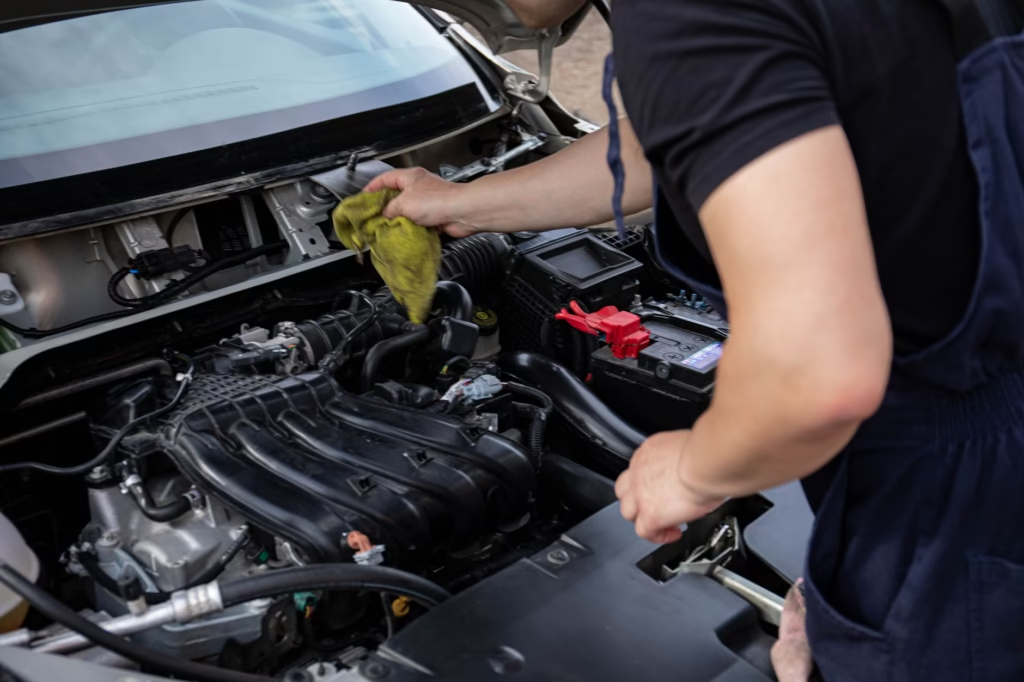
The engine air filter cleans the air headed into the engine. Its job is to keep dust and debris out of the intake path so the engine gets clean airflow. The cabin air filter does something completely different: it filters the air moving through the heating and air-conditioning system before it reaches the passenger compartment. That is why one filter may affect throttle response and the other may affect smell, vent strength, or window fogging. It is also why electric vehicles still need cabin filter service even though they do not have an engine air filter at all. (autoparts.toyota.com)
Use the first-trigger rule instead of chasing one magic mileage number
A practical way to stop guessing is to use what this article calls the first-trigger rule. Replace a filter when the first credible trigger appears: the factory schedule says it is due, the environment calls for a shorter interval, or the symptoms are strong enough that waiting no longer makes sense. That approach fits the way manufacturers actually write maintenance guidance. Some schedules use a fixed mileage, some use a range, and some vehicles use service reminders or maintenance-monitor codes instead of one simple sticker interval. (ford.com)
- Trigger 1: the factory schedule or maintenance monitor. Ford gives a 15,000- to 30,000-mile engine-filter range on some models; Toyota shows 30,000-mile filter replacement on some schedules; Honda can call for replacement through Maintenance Minder sub-item 2, with 15,000-mile severe-condition guidance in dust- or soot-heavy use. (ford.com)
- Trigger 2: harsh environment. Dirt roads, heavy dust, industrial soot, and heavily polluted areas can shorten filter life well before a normal interval. (ford.com)
- Trigger 3: clear symptoms. Sluggish acceleration, rough idle, or obvious debris loading point toward the engine filter; weak vent airflow, stale or musty air, and windows that fog more easily point toward the cabin filter. (ford.com)
| Filter | Common replacement window in manufacturer guidance | Replace sooner when | Typical signs | Main downside of waiting |
|---|---|---|---|---|
| Engine air filter | Often about 15,000 to 30,000 miles on many vehicles; Ford lists 15,000 to 30,000 miles on some models, while some Toyota schedules show replacement at 30,000 miles. (ford.com) | Dusty roads, heavy debris, visibly dirty filter, severe use. (ford.com) | Sluggish acceleration, rough idle, visible dirt or debris loading. (ford.com) | Reduced airflow to the engine, weaker performance, and, if the filter is damaged or missing, greater contamination risk. (afdc.energy.gov) |
| Cabin air filter | Often about 12,000 to 30,000 miles depending on vehicle; Ford gives 15,000 to 20,000 miles on some models, Hyundai recommends 12,000 miles, and some Toyota schedules show 30,000 miles. (ford.com) | Allergies, respiratory sensitivity, dirt roads, heavy pollution, soot, weak HVAC airflow. (ford.com) | Musty odor, stale air, weaker vent flow, more condensation or easy fogging. (techinfo.honda.com) | Poor cabin air quality, weaker heating and cooling performance, more strain on the HVAC side of the system. (service.hyundaiusa.com) |
The big takeaway from the table is that engine and cabin filters are related only by name. They do not automatically share the same replacement date, and they are not automatically due at every oil change. In many vehicles, oil service happens more often than filter replacement, while Honda-style maintenance systems may call for filter service through a separate sub-item rather than bundling it with basic oil service. That is why a good shop should be able to explain not just that a filter looks dirty, but why it is actually due. (toyota.com)
Why some drivers should ignore the high end of the mileage range
Filter life is less about calendar optimism and more about what the car breathes every day. A vehicle that spends most of its time on paved suburban roads may make it much closer to the long end of the interval. A vehicle that sees dirt roads, farm roads, construction dust, industrial soot, or constant stop-and-go traffic in polluted air may not. Honda specifically shortens engine-filter service for dusty conditions and shortens cabin-filter service for areas with heavy soot from industry or diesel traffic. Ford says dirt roads, dust, pollution, allergies, and respiratory sensitivity are all reasons to replace sooner. (techinfo.honda.com)

A hypothetical example makes the point. Imagine two identical compact SUVs with the same mileage. One lives in a low-dust suburb and does mostly highway commuting. The other spends part of every week on gravel roads and the rest in a warehouse district with heavy truck traffic. Even if both started with the same factory interval, the second vehicle has a stronger case for earlier engine and cabin filter replacement because both filters are dealing with more particulate load. The schedule gives the baseline, but the environment explains whether the baseline is realistic. (techinfo.honda.com)
What an overdue filter actually changes
For the engine air filter, the bigger modern issue is performance
Many drivers still assume a dirty engine air filter mainly shows up at the gas pump. On modern fuel-injected, computer-controlled gasoline engines and diesel engines, that is usually the wrong emphasis. The U.S. Department of Energy says replacing a clogged air filter on these vehicles improves performance, not fuel economy. Ford also lists rough idle and sluggish acceleration among the signs that may justify earlier engine-filter replacement. A damaged or missing filter is a separate concern, because unfiltered air can raise contamination risk. (afdc.energy.gov)
For the cabin air filter, the signs are usually easier to feel than to see
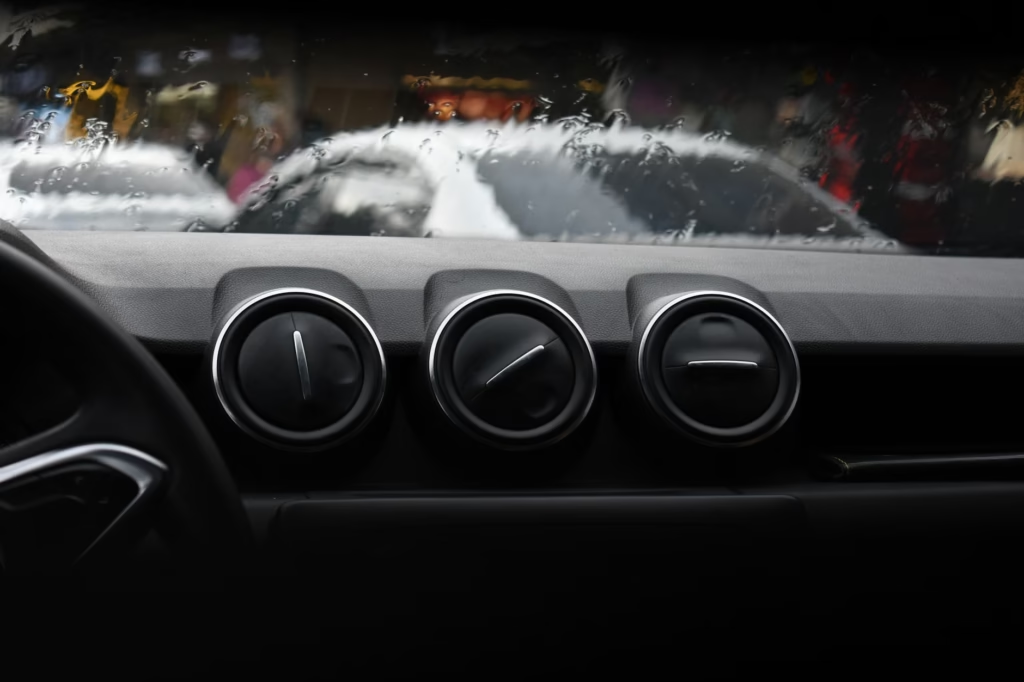
A cabin filter that is overdue often announces itself through the HVAC system: weaker airflow from the vents, a stale or musty smell when the A/C runs, trouble clearing humidity, or windows that fog more easily. Honda notes that noticeable airflow deterioration and easy fogging are clues that the dust and pollen filter may need replacement. Hyundai adds stale air, musty odor, weak airflow, and increased humidity or condensation to that list, and says delaying service can strain the blower-motor side of the system. Ford also recommends earlier cabin-filter changes for allergies, respiratory concerns, dust, and heavy pollution. (techinfo.honda.com)
Do not remove a cabin air filter and leave the housing empty just to get more airflow. Toyota’s owner guidance says the air-conditioning system should be used with a filter installed, and operating without one may damage the system. (toyota.com)
How to check your filters without turning it into a guess
- Start with the exact factory schedule for the vehicle, not a generic blog number. Look for the owner’s manual, manufacturer maintenance guide, or the vehicle’s maintenance monitor. Ford points owners back to the manual for both filters, Chevrolet says the same, and Honda uses Maintenance Minder service sub-items on some models. (ford.com)
- Decide whether the car lives in normal or harsher conditions. Dusty roads, heavy urban soot, industrial pollution, and allergy-sensitive use are not minor footnotes; they are legitimate reasons the interval may need to move earlier. (techinfo.honda.com)
- Match the symptom to the filter before buying parts. Sluggish acceleration or rough idle suggests checking the engine side first. Weak vent airflow, odor, or easy windshield fogging points to the cabin side. (ford.com)
- If the filter is accessible, inspect for obvious dirt and debris loading rather than guessing from mileage alone. Ford specifically says visible dirt or debris can justify earlier engine-filter replacement, and Toyota advises routine inspection at recommended service intervals. (ford.com)
- Replace when the first trigger arrives, then log the date and mileage. That simple record is useful later, especially if the car is used, shared, or serviced at different shops. The next decision becomes easier when there is an actual baseline instead of memory. (ford.com)
When a shop recommends early replacement, ask two calm questions: what does the factory schedule say, and what condition or symptom makes earlier service reasonable? That usually separates real maintenance from automatic upselling. DIY replacement is often reasonable if access is straightforward and the housing can be resealed correctly. If clips are brittle, access is tight, or the fit is not obvious, paying for correct installation is smarter than pinching a seal or leaving the filter out of position.
Common mistakes that lead to bad filter decisions
- Changing both filters automatically at every oil change. That may be convenient, but it is not a technical requirement, and many schedules treat air filters separately from routine oil service. (toyota.com)
- Expecting a dramatic MPG jump from a new engine air filter on a modern car. DOE guidance says performance is the more likely gain on fuel-injected vehicles. (afdc.energy.gov)
- Ignoring the cabin filter because the car still drives normally. A dirty cabin filter is usually about airflow, comfort, visibility, and HVAC strain, not drivability. (techinfo.honda.com)
- Removing the filter instead of replacing it, or reinstalling it badly. Toyota warns against running the HVAC without a filter, and a mis-seated engine filter can undermine the whole point of having one. (toyota.com)
Special cases: hybrids, EVs, and low-mileage cars
Hybrids with a gasoline engine still follow the engine-filter conversation because they still ingest combustion air. Honda’s hybrid maintenance guidance includes replacement of the air cleaner element and the dust-and-pollen filter. EVs are different: Chevrolet’s EV maintenance guidance focuses on the cabin filter and cooling systems, not an engine air filter, and Hyundai’s EV service materials likewise include cabin air filter service. (techinfo.honda.com)
Low mileage is not an automatic excuse to ignore the cabin filter. If the air smells musty, vent output is weak, or the windows fog up more easily, the filter may be due even if the odometer looks modest. Time-based guidance exists on some vehicles as well; Chevrolet’s EV maintenance page, for example, says cabin filters should be replaced annually or every 12,000 miles. The practical point is simple: go by the schedule first, but let real HVAC symptoms overrule wishful thinking. (techinfo.honda.com)
For most drivers, the best plan is uncomplicated. Check the exact factory schedule, decide honestly whether the car lives in dust or pollution, and replace the filter when the first trigger appears. If the vehicle is used mostly on clean pavement, that may mean waiting closer to the long end of the interval. If it sees gravel, construction, soot, allergies, or weak HVAC airflow, earlier replacement is usually the smarter call. (ford.com)
FAQ
Should you replace the engine and cabin air filters at the same time?
Only if their due dates happen to overlap or it is convenient during the same service visit. Manufacturers often treat them as separate items, and some vehicles use maintenance-monitor codes rather than tying filter service to every oil change. (toyota.com)
Does a dirty engine air filter really hurt gas mileage?
Usually not in the dramatic way many people expect on a modern car. DOE guidance says that on fuel-injected, computer-controlled gasoline vehicles and diesels, replacing a clogged air filter improves performance rather than fuel economy. Older carbureted vehicles were a different story. (afdc.energy.gov)
Do hybrids and EVs follow the same rule?
Hybrids with gasoline engines still need engine air filters and cabin air filters. EVs still need cabin air filters, but they do not have engine air filters because there is no combustion intake to service. (techinfo.honda.com)
Can you wait until you notice a smell or weak airflow?
That is not ideal. Odor, weak vent output, and easy fogging are useful clues, but they often mean the cabin filter is already well into its service life. Use the factory schedule as the baseline, then let symptoms move the replacement earlier when needed. (techinfo.honda.com)
Is DIY replacement worth it?
Often, yes, especially when the housing is easy to access and the filter can be installed without forcing clips or guessing about orientation. If the housing does not seal cleanly or access is awkward, paying for correct installation is worth it. Toyota specifically warns against operating the HVAC system without a cabin filter installed. (toyota.com)
References
- Ford Support: How often should I change the engine air filter? – https://www.ford.com/support/how-tos/more-vehicle-topics/engine-and-transmission/how-often-should-i-change-the-engine-air-filter/
- Ford Support: When should I change the cabin air filter? – https://www.ford.com/support/how-tos/more-vehicle-topics/air-conditioning-and-heating/when-should-i-change-the-cabin-air-filter/
- Honda Owners Manual: Dust and Pollen Filter (2025 CR-V) – https://techinfo.honda.com/rjanisis/pubs/OM/AH/A3A02525IOM/enu/details/131240047-156933.html
- Honda Owners Manual: Maintenance Minder (2025 Civic Hatchback) – https://techinfo.honda.com/rjanisis/pubs/OM/AH/AT402525IOM/enu/details/131271047-12935.html
- Honda Owners Manual: Maintenance Minder (2025 Civic Hatchback Hybrid) – https://techinfo.honda.com/rjanisis/pubs/OM/AH/AT502525IOM/enu/details/131272047-12935.html
- Toyota 2025 Corolla Hatchback Warranty and Maintenance Guide – https://www.toyota.com/content/dam/toyota/brochures/pdf/2025/T-MMS-25CorollaHB.pdf
- Chevrolet Support: About ICE Maintenance Schedule – https://www.chevrolet.com/support/vehicle/maintenance/schedule/about-ice
- Chevrolet Support: About EV Maintenance Schedule – https://www.chevrolet.com/support/vehicle/maintenance/schedule/about-ev
- Hyundai USA Service: Cabin Air Filter – https://service.hyundaiusa.com/en/parts-and-services/cabin-air-filter.html
- Hyundai USA Service: Electric Vehicles – https://service.hyundaiusa.com/en/electric-vehicles.html
- U.S. Department of Energy: Fuel Economy Tips PDF – https://afdc.energy.gov/files/u/publication/gas-saving_tips.pdf?fbb3c63ad5=
- Toyota Owners Manual: Air Conditioning Filter (2024 Grand Highlander) – https://www.toyota.com/owners/warranty-owners-manuals/digital/article/grand-highlander/2024/om0e126u/ch06se030408/