

Seasonal car maintenance works best when it is not treated as four separate mini-overhauls. Weather changes tend to expose the same weak points first: tire pressure, tread grip, battery reserve, coolant margin, wipers, lights, and the rubber parts that age faster in heat or cold. Winter also adds potholes, road salt, and heavy washer-fluid use; summer adds heat, road-trip mileage, and extra load on tires and cooling systems. (nhtsa.gov)
TL;DR
- Follow the owner’s manual first. Seasonal maintenance is an overlay, not a replacement schedule. (autoclubsouth.aaa.com)
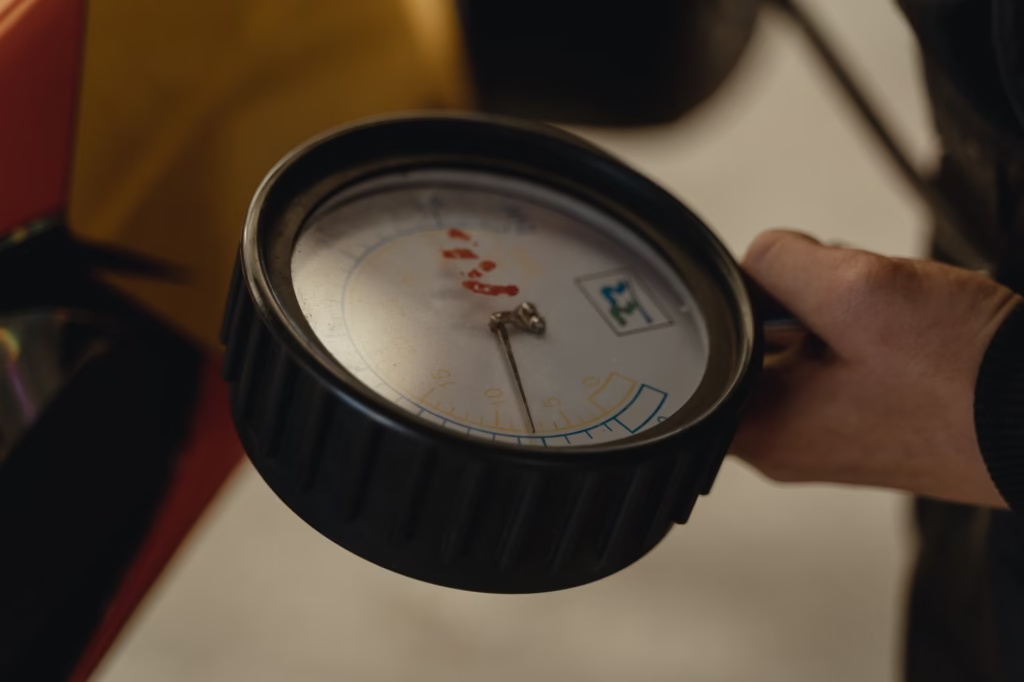
- Check tires monthly when cold, including the spare. Do not rely on the TPMS light alone. (nhtsa.gov)
- Spring is mainly about winter damage: alignment clues, brakes, wipers, salt cleanup, and leaks. (acg.aaa.com)
- Summer is about heat and load: coolant, tires, battery, A/C, belts, hoses, and pre-trip checks. (nhtsa.gov)
- Fall and winter are where preparation pays off most: battery strength, tread, lights, defroster, washer fluid, recalls, and an emergency kit. (nhtsa.gov)
Use the owner’s manual as the master schedule
The most important distinction in any seasonal checklist is that the calendar is only a reminder tool. The actual service schedule comes from the vehicle manufacturer. AAA’s maintenance guide notes that the owner’s manual is the definitive source for your make and model, and that driving habits matter: short trips under 10 miles, stop-and-go traffic, very cold weather, dusty conditions, towing, and long idling can all push a vehicle into a severe-service schedule. (autoclubsouth.aaa.com)
That matters because many drivers assume they are “normal use” drivers when they are not. If the car spends most of its life on short errands, school runs, city traffic, or winter commuting, a simple once-per-season walkaround is not enough by itself. The smarter approach is to combine manufacturer intervals with a seasonal inspection routine that catches weather-related wear before it becomes a breakdown. (autoclubsouth.aaa.com)
The three-pass seasonal reset
A practical way to keep seasonal maintenance organized is to use a three-pass seasonal reset. It is an editorial checklist, not an industry standard, but it mirrors how problems usually show up in real life: first in the parts that touch the road, then in the systems that manage heat or cold, and finally in visibility and emergency readiness.
- Pass 1: Safety and road contact. Check tires, brakes, steering feel, suspension clues, and exterior lights first, because these affect control and stopping before they affect convenience. (nhtsa.gov)
- Pass 2: Fluids, battery, and temperature management. Review oil, coolant, brake fluid, washer fluid, battery condition, and visible belt and hose condition before temperature extremes or long trips. (nhtsa.gov)
- Pass 3: Visibility and preparedness. Replace worn wipers, confirm heater/defroster or A/C performance, check for recalls, and restock season-appropriate emergency supplies. (nhtsa.gov)
| Season | Main stressors | Priority checks | Book service when |
|---|---|---|---|
| Spring | Potholes, salt, leftover winter wear | Tires, alignment clues, brakes, wipers, underbody wash, leak check | The car pulls, vibrates, squeals, grinds, or shows uneven tire wear |
| Summer | Heat, vacation mileage, higher cooling load | Coolant, tires and spare, battery, A/C, belts, hoses, oil, and washer fluid | You see leaks, weak A/C, slow cranking, or rising temperature |
| Fall | Shorter days, rain, first cold mornings | Battery, tread, lights, defroster, wipers, winter washer fluid, recalls | Starting gets weaker, bulbs are out, tread is marginal, or defrost is poor |
| Winter | Pressure drop, snow or ice, salt, emergency exposure | Cold tire pressure, traction plan, de-icer fluid, emergency kit, fuel or charge state | TPMS alerts keep returning, starts are hard, blades crack, or traction feels poor |
The big pattern is simple: spring is mostly recovery, summer is heat management, fall is prevention, and winter is survival margin. Once that is clear, the checklist becomes easier to remember and much harder to ignore.
Spring is for damage control, alignment clues, and cleanup
Spring maintenance is often misunderstood. It does not automatically mean fresh fluids just because the weather changed. If the car is current on scheduled service, spring is mainly the season to find what winter damaged: tires, suspension components, wipers, brakes, battery terminals, and anything underneath that took road salt and pothole hits. (cluballiance.aaa.com)
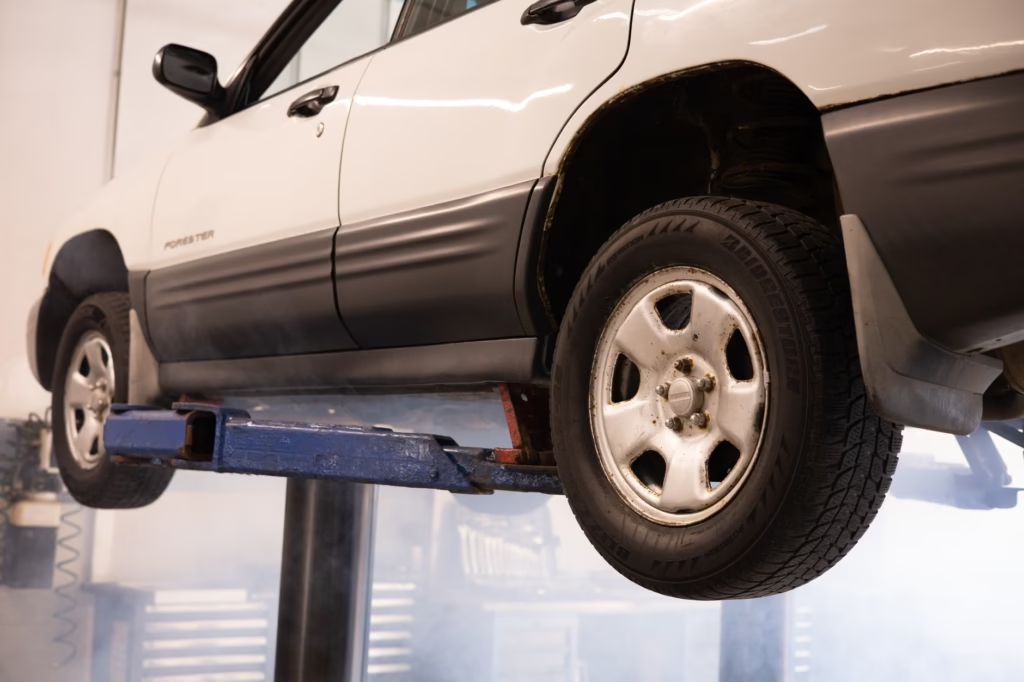
- Set tire pressure when the tires are cold, inspect sidewalls, and check tread. NHTSA says tires are not safe at 2/32 inch tread depth, and uneven wear can point to rotation or alignment needs. (nhtsa.gov)
- If winter roads were rough, pay attention to a crooked steering wheel, a pull to one side, vibration, or new uneven tire wear. Those are better reasons to book an alignment or suspension inspection than the season alone. (acg.aaa.com)
- Inspect brakes sooner rather than later if you hear squealing or grinding, feel pulsation, or notice the car pulling while braking. (cluballiance.aaa.com)
- Wash the exterior and especially the undercarriage to remove leftover road salt and grime that can accelerate corrosion. (acg.aaa.com)
- Check the battery for corrosion at the terminals, review fluid levels, and look over belts and hoses for cracks, leaks, bulges, blisters, or loose connections. (nhtsa.gov)
- Replace wiper blades that streak, chatter, split, or smear. AAA’s recent guidance uses 6 to 12 months as a reasonable rule of thumb, with climate and exposure affecting lifespan. (aaa.com)
- Test the A/C early, not on the first very hot day. NHTSA also recommends checking cabin air filter condition before summer travel. (nhtsa.gov)
A realistic example: if a car comes out of winter with slightly uneven front-tire wear and a steering wheel that no longer sits centered on a straight road, adding air is not the real fix. That pattern is a clue to inspect alignment or suspension wear before the next long drive burns through a set of tires. (nhtsa.gov)
Summer maintenance is mostly about heat and trip load
Summer failures usually show up where heat multiplies load: tires, coolant, battery, A/C, and the rubber parts under the hood. If a vacation drive or heavy highway use is coming, do this inspection a week or two early rather than the night before. That leaves time for parts, appointments, and second opinions if something looks marginal. (nhtsa.gov)
- Check tire pressure when the tires are cold, and include the spare. Use the pressure on the door-jamb placard or in the manual, not the maximum pressure molded into the tire sidewall. (nhtsa.gov)
- Inspect tread and sidewalls for cuts, punctures, bulges, scrapes, cracks, or bumps before road trips. Underinflation is a major tire-failure risk, and heat makes that problem less forgiving. (nhtsa.gov)
- Make sure coolant is at the proper level and of the correct specification for the vehicle. NHTSA recommends checking for leaks and replacing or testing old coolant as needed. (nhtsa.gov)
- Review oil, brake, transmission or clutch, power steering if applicable, and windshield-washer fluid levels. If you see fluid leakage, have the vehicle serviced rather than repeatedly topping off the same reservoir. (nhtsa.gov)
- If the battery has been weak, the engine cranks slowly, or jump-starts are becoming familiar, have the battery and charging system tested before travel. (nhtsa.gov)
- Inspect belts and hoses for visible wear. NHTSA specifically notes that summer heat degrades rubber belts and hoses and calls for replacement if they show obvious wear. (nhtsa.gov)
- Confirm that the A/C performs well enough for the longest trip you expect to take, not just a short local drive. In very hot weather, comfort and visibility are part of fatigue management too. (nhtsa.gov)
Do a pre-trip inspection early enough that you can still compare repair quotes or decide whether a parts order is worth placing. Seasonal maintenance saves the most money when it creates decision time, not when it confirms a problem at 9 p.m. before departure.
Fall is the season that prevents winter breakdowns
Fall is the most underrated maintenance season. A car that feels “fine” in mild weather can reveal weak starting power, poor visibility, low washer-fluid quality, and marginal tread as soon as mornings get colder and days get shorter. Fall is where a little attention is worth more than emergency winter repairs. (nhtsa.gov)
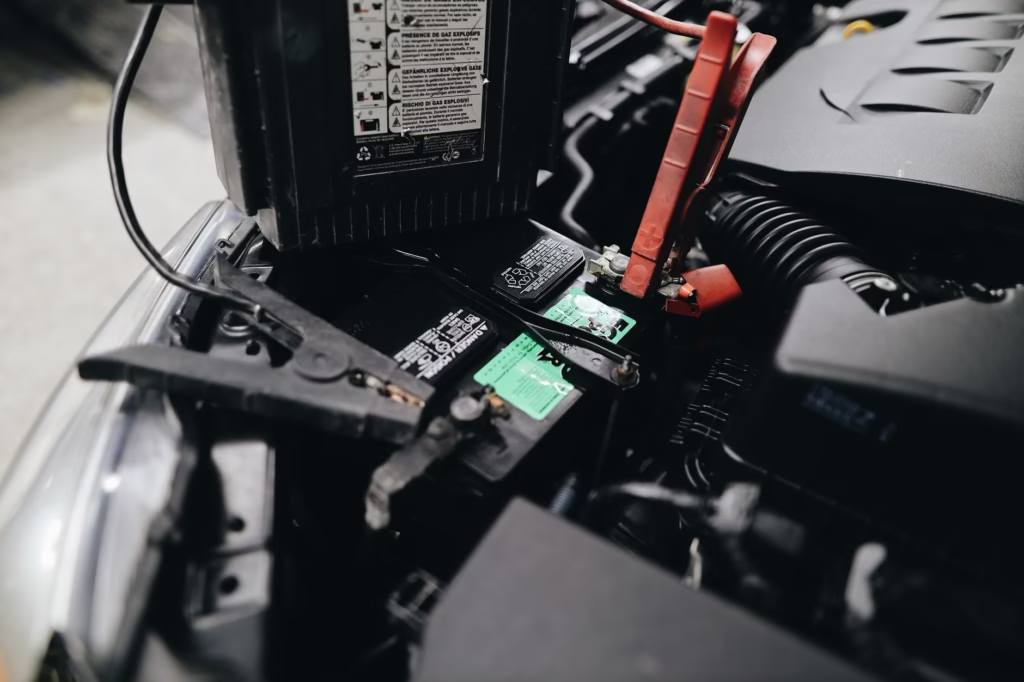
- Have the battery tested or at least inspected if cold starts are getting slower. NHTSA notes that battery power drops as temperatures fall. (nhtsa.gov)
- Check tread depth before winter, not after the first storm. NHTSA says tires should be replaced at 2/32 inch, and it specifically advises drivers in snowy climates to consider snow tires. (nhtsa.gov)
- Inspect headlights, brake lights, turn signals, hazard flashers, and interior lights. Shorter days and wet roads make small visibility problems more meaningful. (nhtsa.gov)
- Make sure the heater, defroster, and wipers are working well before freezing weather. Replace blades if they are already streaking or torn, and switch to a suitable winter washer fluid if your climate requires it. (nhtsa.gov)
- Restock a cold-weather emergency kit and check recall status before winter travel season. NHTSA recommends checking recalls twice a year, and Ready.gov’s winter materials call for a vehicle supply kit before winter weather sets in. (nhtsa.gov)
Winter maintenance is traction, battery reserve, and visibility
Winter is the season when small maintenance neglect becomes a safety problem fastest. Tire pressure drops with temperature, batteries lose starting power, washer systems work harder, and poor tread becomes obvious on cold, wet pavement long before deep snow arrives. NHTSA’s winter guidance is useful here because it ties maintenance directly to winter driving risk, not just convenience. (nhtsa.gov)
- Check tire pressure more often as temperatures fall. Use a gauge on cold tires and set pressure to the vehicle manufacturer’s recommendation, not the sidewall maximum. (nhtsa.gov)
- Inspect tread monthly and take reduced grip seriously. If your area gets frequent snow or ice, winter tires are worth serious consideration rather than trying to get through the season on worn all-seasons. (nhtsa.gov)
- Keep the washer reservoir full with a winter formula that includes de-icer if needed, and make sure the defroster and wipers are working properly. NHTSA also suggests heavy-duty winter wipers in areas with significant snow and ice. (nhtsa.gov)
- Use winter floor mats carefully. NHTSA warns that improperly installed mats can interfere with the accelerator or brake pedal, so fit and retention matter. (nhtsa.gov)
- Keep the gas tank close to full whenever possible. For EVs and hybrids, keep the battery charged and reduce cold-weather drain when you can, including plugging in overnight when appropriate. (nhtsa.gov)
- Carry a winter vehicle kit with items such as an ice scraper, shovel, abrasive material, jumper cables, flashlight, warning devices, warm clothing or blankets, water, snacks, a phone charger, and needed medication. (nhtsa.gov)
- If you become stuck, make sure the exhaust pipe stays clear of snow and avoid running the vehicle for long periods with the windows up because of carbon monoxide risk. (nhtsa.gov)
EV and hybrid note: seasonal maintenance still matters even without engine-oil changes. NHTSA notes that cold weather can reduce electric or hybrid-electric driving range, and these vehicles still need tire care, wipers, lights, brake inspections, 12-volt battery attention, and any manufacturer-specified coolant or fluid checks. (nhtsa.gov)
What to check every season, even if the car feels fine
- Review the owner’s manual and your last service record. Check whether you are due by mileage, time, or severe-service use, not just by weather. (autoclubsouth.aaa.com)
- Check all tires and the spare when cold. Record pressures instead of guessing, inspect sidewalls, and do a tread check. Remember that the TPMS light is not an early-warning replacement for a gauge. (nhtsa.gov)
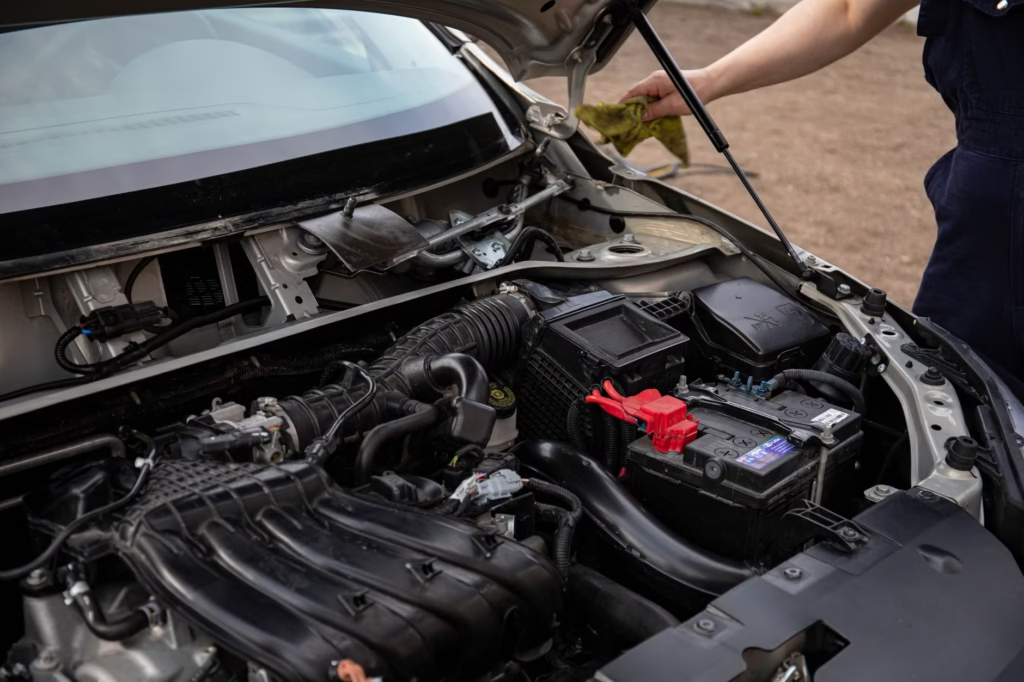
- Open the hood and do a simple baseline scan: oil level if applicable, coolant, brake fluid, washer fluid, battery terminals, belts, hoses, and any visible leaks. Check coolant only when the engine is fully cooled. (nhtsa.gov)
- Test visibility items in one pass: headlights, brake lights, turn signals, flashers, wipers, washer spray, defroster, and either A/C or cabin heat depending on the season. (nhtsa.gov)
- Take a short drive with the radio off. Listen and feel for brake noise, steering pull, vibration, weak acceleration, rough shifting, or any new change in pedal feel. (magazine.northeast.aaa.com)
- Look under the car and around the wheel areas for fresh leaks, hanging plastic shields, rust-prone areas, exhaust issues, or obvious suspension damage after a rough season. (cluballiance.aaa.com)
- Finish with the non-mechanical items people forget: recall lookup, emergency supplies, and any seasonal gear like scrapers, sun shades, or a pressure gauge. (nhtsa.gov)
Five seasonal maintenance mistakes that cause expensive surprises
- Using the tire sidewall number instead of the door-jamb recommendation. The sidewall figure is the tire’s maximum, not the target pressure for the vehicle. (nhtsa.gov)
- Assuming the TPMS light replaces manual checks. NHTSA says TPMS usually warns only after a tire is already significantly underinflated. (nhtsa.gov)
- Doing maintenance by season only while ignoring mileage, time, and severe-service intervals. (autoclubsouth.aaa.com)
- Topping off the same fluid repeatedly without asking why it is low. Recurring loss often points to a leak, wear problem, or system issue that a seasonal checklist alone will not solve. (nhtsa.gov)
- Waiting until the first storm, first heat wave, or departure day to discover bad wipers, a weak battery, or nearly worn-out tires. (acg.aaa.com)
When driveway checks are enough and when to book a shop
A driveway check is enough for tire pressure, tread, lights, wipers, washer fluid, battery corrosion, visible belt and hose wear, and basic leak spotting. Book a shop when you have alignment symptoms, brake noise or pulsation, recurring TPMS alerts, fluid leaks, battery weakness, or cooling-system concerns, because those issues usually need testing rather than guessing. If a seasonal inspection turns up a safety-related defect or recall, use the VIN lookup and handle that before the next long drive. (nhtsa.gov)
The best seasonal checklist is not the longest one. It is the one that gets repeated before the weather changes enough to punish neglect. Put a reminder on the calendar, keep a gauge and flashlight in the car, and treat any new change in feel, sound, or visibility as part of maintenance, not as something to “see if it gets worse.” That habit is what turns seasonal car care from a chore into real prevention.
FAQ
Does a seasonal checklist replace oil-change and service intervals?
No. The owner’s manual remains the master schedule, and many drivers fall under severe-service conditions such as short trips, stop-and-go traffic, towing, very cold weather, dusty roads, or long idling. Use the seasons as reminders to inspect, not as substitutes for required service intervals. (autoclubsouth.aaa.com)
Is the TPMS light enough, or do I still need a tire gauge?
You still need a gauge. NHTSA says TPMS typically warns only when a tire is already significantly underinflated. Monthly cold-pressure checks are still recommended, and the spare should be included. (nhtsa.gov)
How can I tell whether a pothole caused real damage?
Watch for a steering wheel that is no longer centered, a pull to one side, vibration, new uneven tire wear, brake pulsation, or brake pull. Those symptoms are more meaningful than the pothole itself and are good reasons to schedule an alignment, tire, brake, or suspension inspection. (acg.aaa.com)
Do I really need winter tires?
If you regularly drive in snow or ice, they are worth serious consideration. NHTSA specifically advises drivers to consider snow tires in winter conditions. If winter weather is occasional and roads are cleared quickly, good all-season tires with healthy tread may be enough, but worn tires are a poor compromise regardless of season. (nhtsa.gov)
What changes if the car is an EV or hybrid?
The checklist gets shorter in some places, but it does not disappear. NHTSA notes that cold weather can reduce electric or hybrid-electric range, and EVs still need tire pressure checks, tread inspections, brake and light checks, wipers, washer fluid, cabin air filtration, 12-volt battery attention, and any manufacturer-specified fluid or coolant service. (nhtsa.gov)
References
- NHTSA: Tire Safety Ratings and Awareness – https://www.nhtsa.gov/vehicle-safety/tires
- NHTSA: Winter Weather Driving Tips – https://www.nhtsa.gov/winter-driving-tips
- NHTSA: Summer Driving Tips – https://www.nhtsa.gov/summer-driving-tips
- NHTSA: Recalls Lookup – https://www.nhtsa.gov/recalls
- EPA: Discover Fuel-Saving Tips – https://www.epa.gov/greenvehicles/discover-fuel-saving-tips
- AAA: Car Maintenance Guide – Maintenance Schedule – https://autoclubsouth.aaa.com/Automotive/auto_maintenance_text.aspx?section=MaintenanceSchedule
- AAA Club Alliance: Spring Car Maintenance – https://cluballiance.aaa.com/the-extra-mile/advice/car/spring-car-maintenance
- AAA: When to Replace Your Windshield Wipers and Why It Matters – https://www.acg.aaa.com/connect/blogs/6c/auto/when-to-replace-your-windshield-wipers-and-why-it-matters?cid=auto_aar_j_bl_protectcarstorms
- AAA Club Alliance: 4 Signs That Your Brakes Need Service – https://cluballiance.aaa.com/the-extra-mile/advice/car/4-signs-that-your-brakes-need-service
- Ready.gov: Winter Storm Preparedness Guide – https://www.ready.gov/sites/default/files/2020-08/fema_winterstorm_htp.pdf