

Most car noises become easier to understand once you change the question from “What broke?” to “When do I hear it?” A squeal that shows up only when braking points in a very different direction than a hum that rises with road speed or a chirp that appears on cold starts. The sound matters, but the trigger matters more. That does not mean a driveway diagnosis replaces a proper inspection. It does mean a driver can sort noises into three broad categories much faster: watch closely, book service soon, or stop driving. (acg.aaa.com)
If the sound is intermittent, do not spend two weeks hoping it will vanish on its own. Make a quick note about the trigger, the rough location, and whether the car feels different. Even simple notes can make it easier to separate a tire issue from a brake issue or an accessory-belt problem. (acg.aaa.com)
The noises that usually point somewhere specific
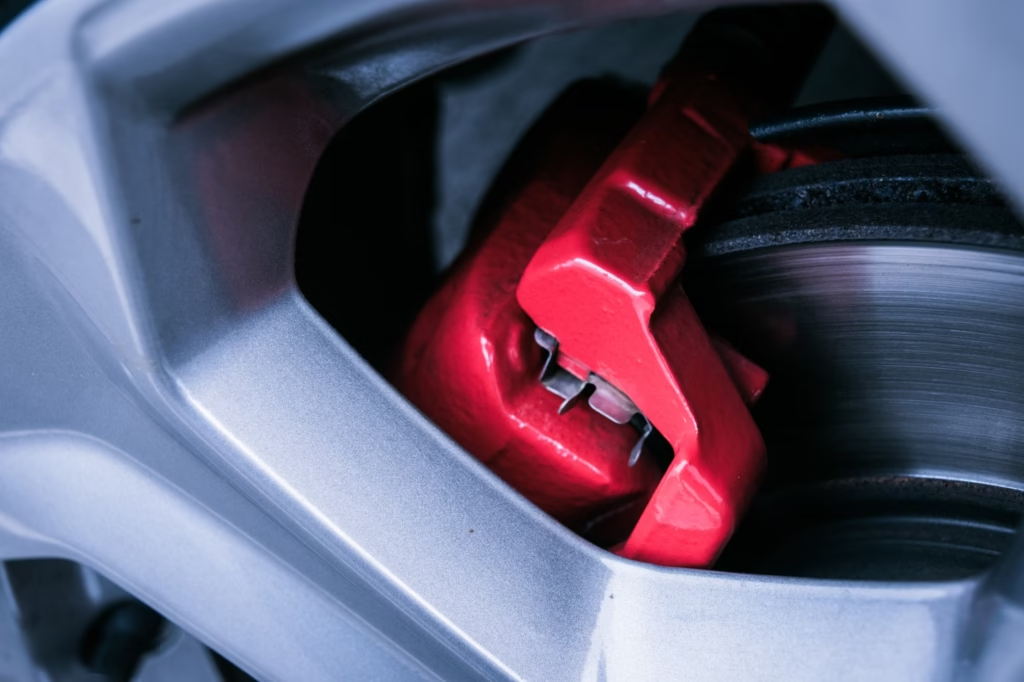
- A steady high-pitched squeal when braking often means worn pads or debris in the brake assembly. A harsh grinding noise is more serious; it can mean the friction material is gone and metal parts are contacting each other. Persistent squeal deserves an inspection soon. Grinding moves this into do-not-put-it-off territory. (acg.aaa.com)
- Rapid clicking when you turn the key is commonly associated with a weak or discharged battery. That does not automatically rule out other starting-system problems, but it is a strong clue that the electrical side should be tested before guessing at bigger repairs. If the car needs repeated jump-starts, look beyond the immediate restart and have the battery and charging system checked. (acg.aaa.com)
- Clicking or popping on turns, especially tighter low-speed turns, often points to a worn CV joint on front-wheel-drive and many all-wheel-drive vehicles. A different turning sound matters too: a squeal accompanied by heavy steering can suggest a steering-system issue instead. The key is not just noise while turning, but what kind of noise it is and whether steering effort changes with it. (acg.aaa.com)
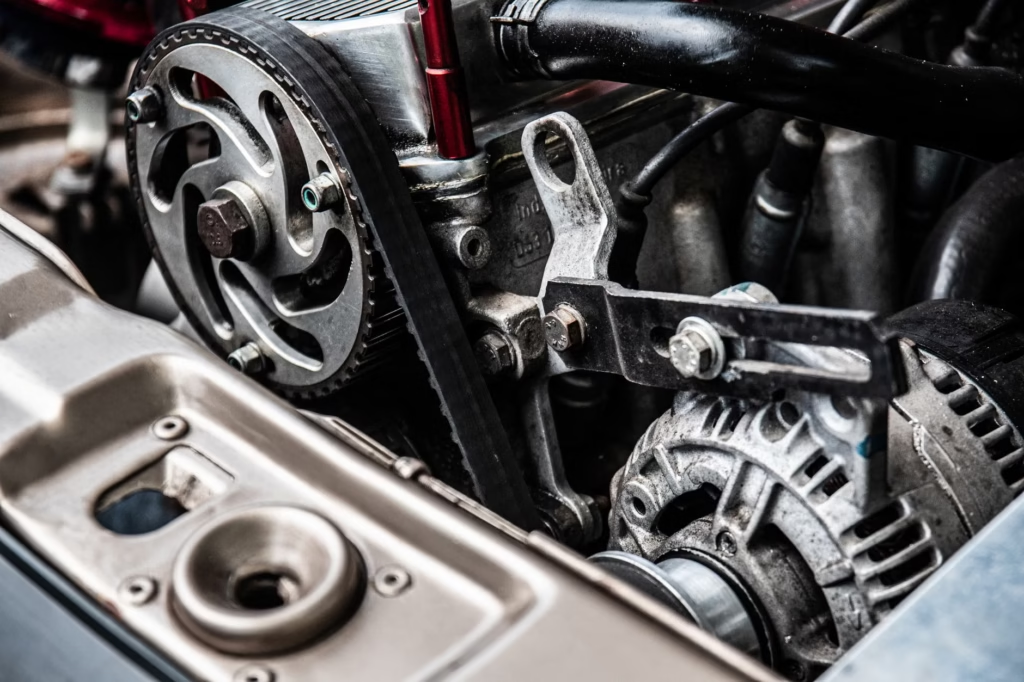
- A chirp or squeal from under the hood, especially on cold starts, hard acceleration, or when the A/C turns on, often indicates belt slippage from wear, improper tension, or contamination from oil or coolant. A deeper metallic grinding sound is more concerning because it can point to a failing tensioner, pulley bearing, or another belt-driven component. High-pitched belt noise may give some scheduling room. Metallic grinding usually does not. (acg.aaa.com)
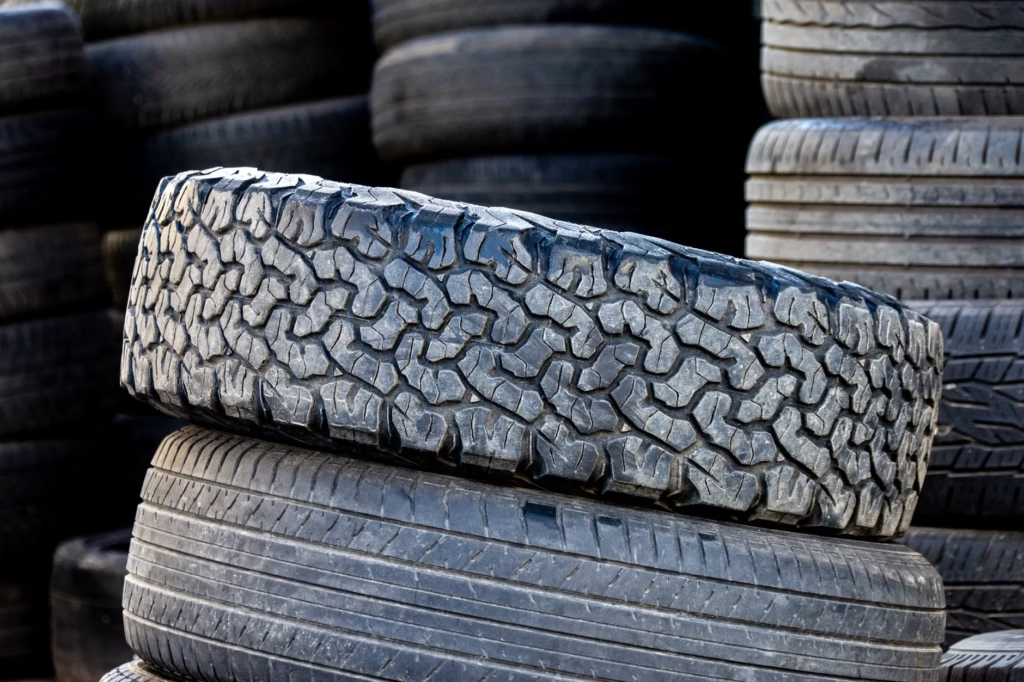
- A hum, roar, or rhythmic thump that gets louder with road speed usually sends the inspection toward the tires and wheel areas first. Uneven tread wear, cupping, flat spots, imbalance, or even a separated tire belt can create noise and vibration; a bad wheel bearing can also produce a humming or growling sound that changes with speed. This is one of the easiest noises to misread as “just road noise,” especially when it creeps up gradually. (exchange.aaa.com)
- A knock or sharp tapping under the hood is different from a harmless interior rattle. AAA notes that knocking can indicate engine trouble, and low oil is one possible cause, so it is worth checking the oil level if it is safe to do so. If the sound grows louder quickly, shows up with warning lights, or is paired with rough running, skip the wait-and-see approach. (acg.aaa.com)
When monitoring becomes a bad idea
Some noises invite monitoring. Others do not. If the car suddenly has harsh brake grinding, strong shaking, a thumping tire, noticeably stiffer steering, smoke or steam, or an engine knock that is getting worse, the safer move is to get off the road and arrange professional help. A sound that comes with reduced control or obvious mechanical distress is no longer just a clue; it is part of the failure itself. (acg.aaa.com)
If a new noise is paired with a damaged tire, a pull to one side, or longer stopping distances, assume the problem may affect control of the vehicle and treat it as urgent. (acg.aaa.com)
A simple way to avoid guessing is to compare two hypothetical cases. A car that hums mostly at 55 mph and also sends a faint vibration through the floor points more toward tires, wheel balance, or a bearing. A car that chirps on startup and gets noisier when the A/C engages points much more strongly toward the accessory-belt system. Same driver concern, very different first inspection. (acg.aaa.com)
Car noises are useful because they are rarely random. Write down when the sound happens, what changes it, and what the car feels like at the same time. That small bit of observation will not replace a technician, but it can make the problem clearer, shorten the diagnosis, and help you recognize when annoying has crossed over into unsafe. (acg.aaa.com)
References
- AAA – Strange Car Noises: What Do They Mean? – https://www.acg.aaa.com/connect/blogs/4c/auto/car-noises-you-shouldnt-ignore
- AAA – A Guide to Automotive Belts and Hoses – https://www.acg.aaa.com/connect/blogs/5c/auto/a-guide-to-automotive-belts-and-hoses
- AAA Exchange – Tire Safety and Maintenance – https://exchange.aaa.com/automotive/car-care-repair-and-maintenance/tire-safety-and-maintenance/
- Firestone Complete Auto Care – Why Are My Tires So Loud All of a Sudden? – https://www.firestonecompleteautocare.com/blog/tires/tire-noise-when-driving/