

Premature tire wear often starts with a small pressure mistake that lasts too long. Running even a few PSI low changes how the tread sits on the road, builds extra heat, and wears the shoulders faster. Too much pressure can shift more of the load toward the center of the tread. The good news is that checking pressure is simple when it is done the right way: use a gauge, check the tires cold, and compare the reading with the vehicle manufacturer’s recommendation rather than guessing by appearance or feel. (ustires.org)
Use the vehicle’s PSI recommendation, not the number on the tire
The most common mistake is using the pressure molded into the tire sidewall. NHTSA says that number is the tire’s maximum pressure, not the everyday pressure your vehicle should run. The correct target is on the Tire and Loading Information placard, usually on the driver’s door jamb or door edge, and it is also listed in the owner’s manual. That placard may show different pressures for the front and rear tires, which is normal on many vehicles. It is also the right place to confirm the spare tire’s specification. (nhtsa.gov)
The sidewall number is not your target PSI. For routine inflation, use the pressure listed by the vehicle manufacturer on the door-jamb placard or in the owner’s manual. (nhtsa.gov)
A five-minute pressure check that actually helps tire life
- Park long enough for the tires to be cold. NHTSA and USTMA define that as at least three hours after driving. (nhtsa.gov)
- Read the door-jamb placard or owner’s manual before touching the gauge. Note whether the front and rear tires use different PSI, and include the spare in the check. (nhtsa.gov)
- Remove the valve cap, press the gauge firmly onto the valve stem, and record the reading for each tire. A dedicated tire gauge is better than guessing at a gas station by eye. (nhtsa.gov)
- If pressure is low, add air until the tire reaches the recommended cold PSI. If it is high, release air slowly and recheck. (nhtsa.gov)
- If the tire is warm because the vehicle has already been driven, inflate only to the recommended cold pressure as a temporary measure, then recheck and fine-tune when the tire is cold again. (nhtsa.gov)
- Before putting the caps back on, take 10 extra seconds to look at the tread and sidewall for cuts, bulges, cracks, or obvious uneven wear. (nhtsa.gov)
Season changes matter more than many drivers realize. USTMA notes that tire pressure can rise or fall by about 1 to 2 PSI for every 10-degree change in temperature, which is why tires that were fine in mild weather can turn up low after a cold snap. That is also why monthly checks matter even when no warning light appears. A TPMS warning usually means the tire is already significantly underinflated, so it is useful as a backup, not as the main maintenance plan. (ustires.org)
Read wear patterns before they ruin the whole set
Pressure checks help most when they are paired with a quick tread inspection. Michelin notes that incorrect inflation changes where the tire carries its load: chronic underinflation tends to wear the outer shoulders faster, while chronic overinflation tends to wear the center faster. Uneven wear is still a clue, not a complete diagnosis. Rotation, alignment, suspension condition, load, and driving style can all affect the pattern, so the goal is to catch a developing problem early rather than assume one symptom has only one cause. (michelinman.com)
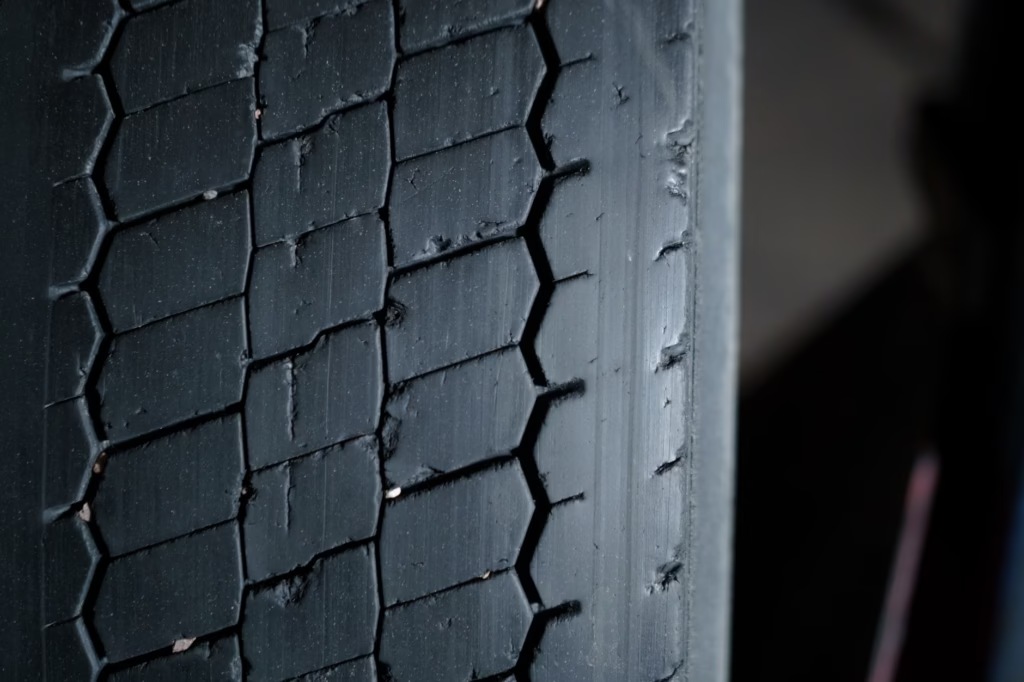
- Both shoulders wearing faster than the middle usually points to chronic underinflation. (michelinman.com)
- The center wearing faster than the edges usually points to chronic overinflation. (michelinman.com)
- Wear that looks uneven across the tread can mean the tires need rotation or the wheels need alignment. (nhtsa.gov)
- If you find bulges, cuts, punctures, cracks, or other visible damage, treat that as a service issue, not just an air-pressure issue. (nhtsa.gov)
The small habits that prevent premature wear
A good routine is simple: check pressure once a month, check again before long trips, and add an extra check before carrying heavy loads or towing. While the gauge is out, inspect tread depth and overall wear. NHTSA says tread should not be run below 2/32 inch and notes that built-in treadwear indicators or the penny test can help flag when replacement is due. Rotation matters too. NHTSA advises following the owner’s manual and notes that, if the manufacturer recommends it, many vehicles benefit from rotation every 5,000 to 8,000 miles or sooner if uneven wear appears. Not every vehicle uses the same rotation pattern, and some staggered tire setups may limit rotation, so the manual still wins over rule-of-thumb advice. (nhtsa.gov)
The practical takeaway is straightforward: tire pressure is not a one-time setting. It is a maintenance habit. A cold-pressure check with a gauge once a month, plus a quick look at wear patterns, is often enough to catch the problems that shorten tire life long before the tread is obviously ruined. (ustires.org)
References
- NHTSA – Tire Safety Ratings and Awareness – https://www.nhtsa.gov/vehicle-safety/tires
- NHTSA – Summer Driving Tips – https://www.nhtsa.gov/summer-driving-tips
- U.S. Tire Manufacturers Association – Tire Care Essentials – https://www.ustires.org/tire-care-safety/tire-care-essentials
- Michelin USA – Why Is Tire Maintenance Important? – https://www.michelinman.com/auto/auto-tips-and-advice/tire-maintenance/why-important