
The safe DIY list is shorter than many videos make it seem. For most owners, the best at-home jobs are simple checks and replacements that keep the vehicle on the ground, do not open a hot or pressurized system, and do not require guesswork on safety-critical parts. That usually means tire checks, oil-level checks, topping off washer fluid, replacing wiper blades, and sometimes replacing easy-access air filters. Manufacturers themselves publish owner-facing instructions for basic procedures and direct drivers back to model-specific manuals. (tesla.com)
A useful boundary line: checking and replacing owner-service items is usually fair DIY territory; brake work, suspension, coolant-system service, leak diagnosis, and anything that depends on precise torque or deep disassembly usually is not.
The home jobs that give the most payoff for the least risk
Tire pressure and tread deserve monthly attention
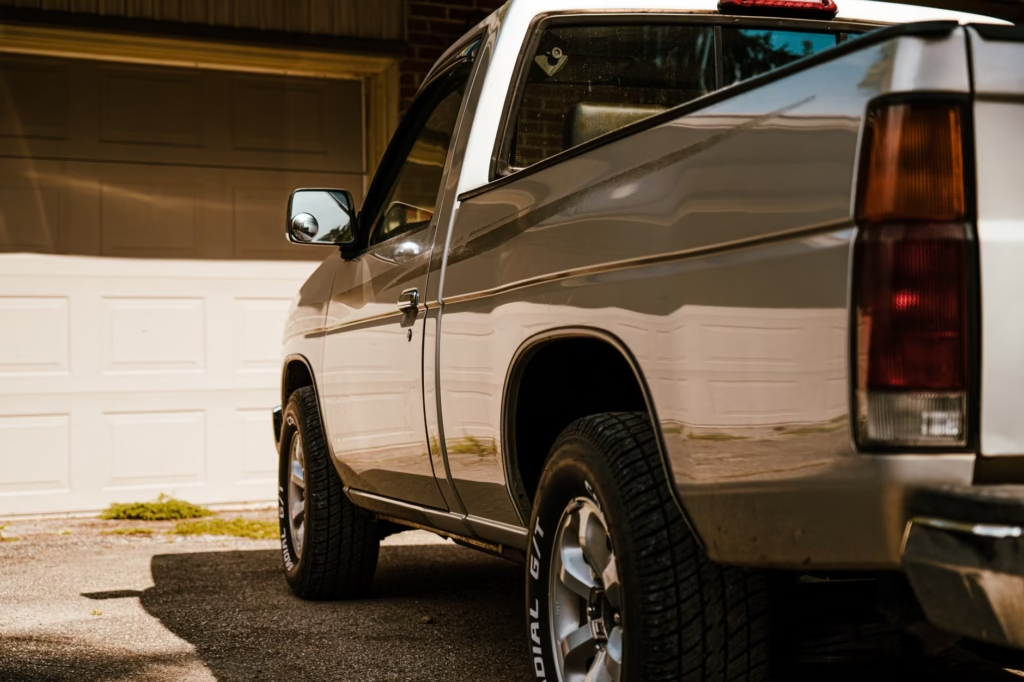
If there is one job every driver should be comfortable doing, it is checking tires. NHTSA says to use the vehicle manufacturer’s recommended cold pressure from the door placard or owner’s manual, not the number molded into the tire sidewall, which is the tire’s maximum pressure rather than the vehicle’s target setting. NHTSA also says tires should be replaced when tread is worn to 2/32 inch, and it still recognizes the penny test as a quick check. In practice, that means checking pressures when the tires are cold, looking for cuts or bulges, and paying attention if one tire keeps losing air after you refill it. That last part is no longer routine maintenance; it is a leak or damage issue. (nhtsa.gov)
Checking engine oil is safer than changing it for most beginners
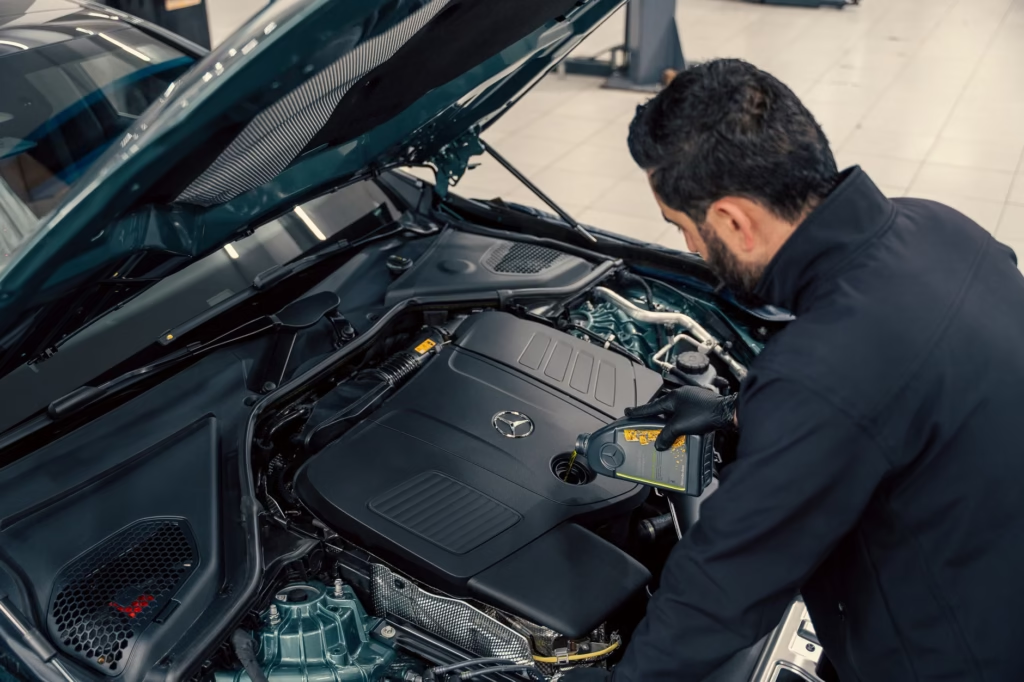
A routine oil-level check is straightforward and genuinely useful. Ford’s owner guidance says the vehicle should be on level ground and the engine should be off long enough for oil to drain back before reading the dipstick; Toyota owner guidance makes the same point. The practical method is simple: pull the dipstick, wipe it clean, reinsert it fully, pull it again, and read the level. If it is low, add the exact oil type specified for the vehicle in small amounts, then recheck instead of pouring in a large guess. (ford.com)
A simple hypothetical example shows the difference. If the dipstick reads a little low before a road trip, topping off with the correct oil is sensible. If it reads low again a week later, the job has shifted from maintenance to diagnosis. That is when DIY restraint saves more money than DIY enthusiasm. (ford.com)
Wiper blades, washer fluid, and easy-access filters are usually fair game
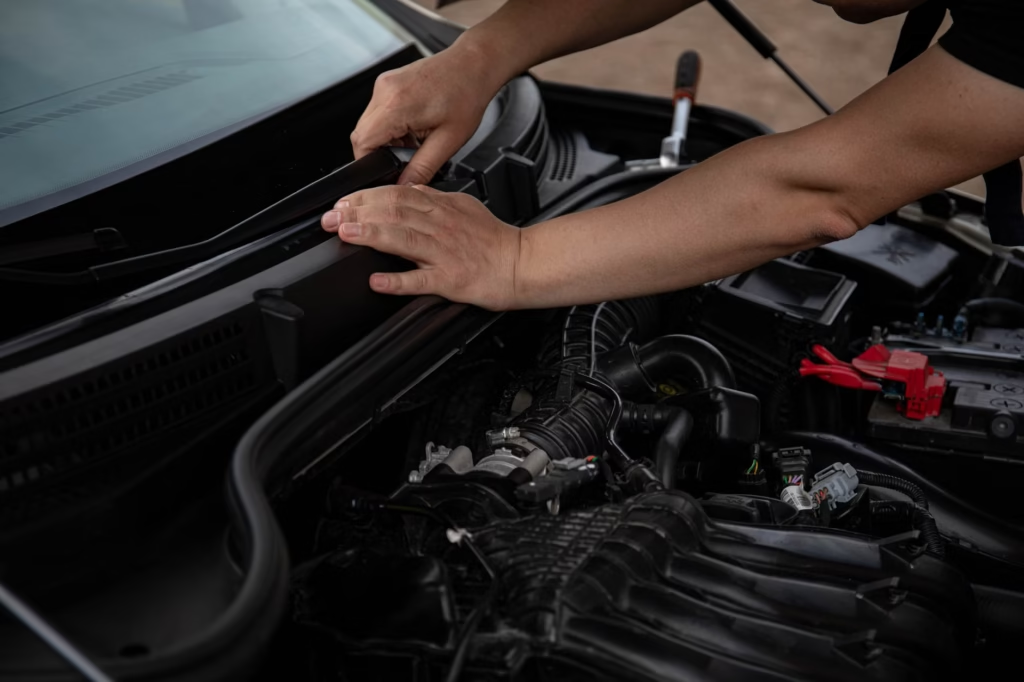
Visibility-related upkeep is often the most satisfying kind of DIY because the result is immediate. Replacing wiper blades, topping off washer fluid, and swapping a cabin or engine air filter can usually be done with basic hand skills and no lifting. Tesla’s support materials are a good example of how manufacturers treat these jobs: they publish do-it-yourself guidance for basic procedures such as wiper-blade and filter replacement, but still direct owners to model-specific instructions. That second part matters. Some cars make these jobs easy; others hide them behind trim clips, covers, or tight access that turns a five-minute task into a frustration session. (tesla.com)
Know when a simple maintenance job has turned into repair work
The biggest DIY mistake is not doing too little; it is continuing after the task has obviously become something else. A tire that repeatedly loses pressure, oil that keeps disappearing, a filter cover that will not seat properly, or wipers that still smear badly after replacement all suggest a deeper issue. The same goes for warning lights, abnormal noises, fluid leaks on the driveway, or any job that starts requiring force, disassembly, or guesswork. Manufacturers can show owners how to handle basic maintenance items, but that is different from diagnosing faults. (tesla.com)
Home maintenance is most useful when it prevents bigger problems without creating new ones. If a job is simple, well documented, and done with the car safely on the ground, it is often worth learning. If it involves force, leaks, heat, or uncertainty, the smarter DIY move is knowing where to stop. (tesla.com)
References
- NHTSA – Tire Safety Ratings and Awareness – https://www.nhtsa.gov/vehicle-safety/tires
- US EPA – Managing, Reusing, and Recycling Used Oil – https://www.epa.gov/recycle/managing-reusing-and-recycling-used-oil
- Ford Support – How do I add engine oil to my vehicle? – https://www.ford.com/support/how-tos/oil-change/oil-change-information/how-do-i-add-engine-oil-to-my-vehicle/
- Tesla Support – Do It Yourself Guides – https://www.tesla.com/support/do-it-yourself-guides