
A used car inspection is less about finding a perfect vehicle than filtering out the expensive, unsafe, and hard-to-verify ones before emotion takes over. The safest sequence is to check the paperwork and VIN first, do a systematic walk-around, test the car under varied conditions, and then pay for an independent mechanic before money changes hands. Federal guidance specifically points buyers to vehicle history reports, recall checks, and independent inspections because each tool catches different problems. (consumer.ftc.gov)
TL;DR
- Run the VIN through NHTSA’s recall tool and an NMVTIS-approved history provider before you inspect the car in person, then match that VIN to the title and the labels on the car. (nhtsa.gov)
- If the car is at a dealer, read the FTC Buyers Guide before you talk price. It tells you whether the vehicle is being sold as is or with a warranty, and it points buyers to independent inspection and history-report checks. (consumer.ftc.gov)
- On-site, pay closest attention to title brands, flood clues, tires, warning lights, brake feel, steering behavior, and any mismatch between mileage and wear. Those are high-value signals because they can reveal hidden damage, safety problems, or immediate repair costs. (nhtsa.gov)
- A clean history report or dealer certification is helpful, but neither replaces a mechanical inspection. If the seller blocks a recall check, varied test drive, or outside inspection, that is part of the inspection result. (vehiclehistory.bja.ojp.gov)
Start with records, not shine
One of the most common used-car mistakes is inspecting the paint before the paperwork. A straight body and shiny tires do not matter if the seller cannot prove clear title, the VIN does not match, or the car has unresolved safety recalls. Before you set foot on the lot or meet a private seller, ask for the VIN, current title status, service records, and, if applicable, the dealer’s Buyers Guide. (consumer.ftc.gov)
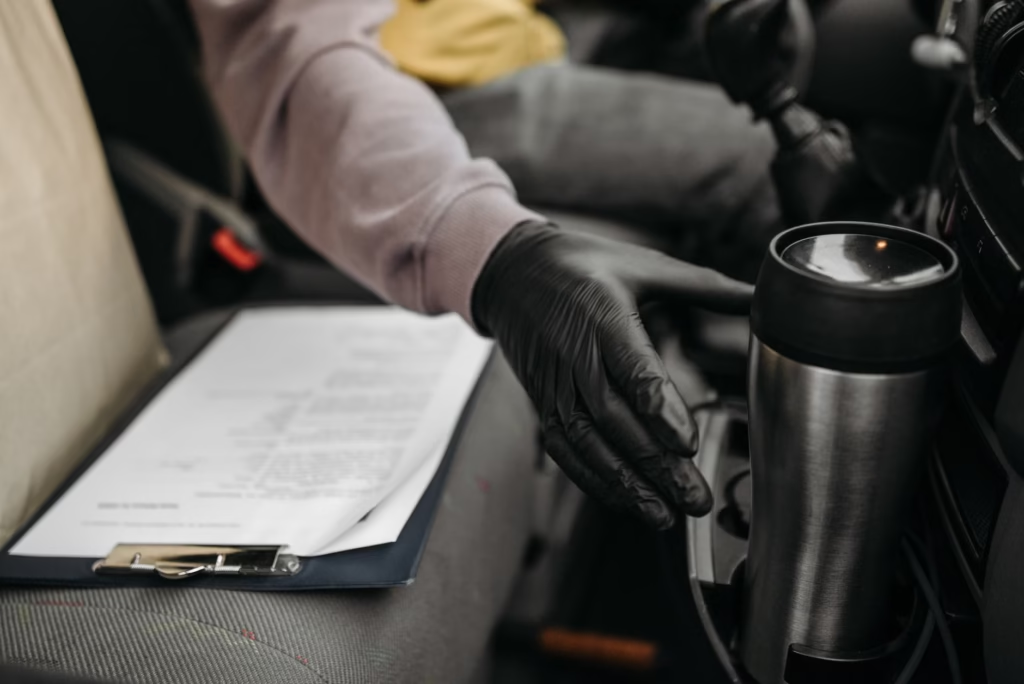
- Run the VIN through NHTSA’s recall lookup. Open safety recalls can be repaired free by the manufacturer’s dealer, but it is better to know about them before you negotiate or travel to see the car. (nhtsa.gov)
- Order a vehicle history report from an NMVTIS-approved provider and treat it as a screening tool, not a mechanical verdict. DOJ materials explain that NMVTIS is built around title, brand, insurance total-loss, and theft-related data. (vehiclehistory.bja.ojp.gov)
- If a dealer is selling the car, read the Buyers Guide for as-is versus warranty coverage and compare it to any sales talk you hear later. The FTC requires the guide to be displayed before inspection and reminds buyers that oral promises are hard to enforce. (ftc.gov)
- Book an independent inspection early. The FTC says a history report is not a substitute for a mechanical inspection and suggests moving on if a dealer will not allow outside inspection. A state safety sticker is not the same thing as a pre-purchase mechanical check. (consumer.ftc.gov)
Use the Four-Pass Used Car Check
A practical way to stay disciplined is to inspect in four passes: identity, structure, systems, and road behavior. Do not negotiate during the first pass. Do not rationalize defects during the second. And do not assume a short, smooth drive cancels out paperwork problems. This is not about certifying the car yourself; it is about deciding whether the car deserves a professional pre-purchase inspection and, if it does, what questions the mechanic should answer. (vehiclehistory.bja.ojp.gov)
Pass 1: Match the car to its paperwork
- Match the VIN in at least three places: the title, the lower windshield on the driver’s side, and the driver’s door-jamb label. A mismatch is a stop sign, not a negotiation point. (nhtsa.gov)
- Check for title brands such as salvage, rebuilt, junk, or flood. Brand history matters because it can affect safety confidence, insurability, resale value, and what the car is truly worth. (nhtsa.gov)
- Ask for service records and compare the mileage on the odometer with maintenance or inspection documents. NHTSA specifically flags mileage inconsistencies and wear in the driver’s area, including pedals, as odometer-fraud clues. (nhtsa.gov)
- If the history report shows a crash where the airbags deployed, add an airbag inspection to your mechanic’s task list. NHTSA warns used-car buyers about dangerous substandard replacement inflators and says the inspection should be done by a reputable mechanic, not by the buyer. (nhtsa.gov)
- Treat any history report as partial information. DOJ’s NMVTIS materials and the FTC both say a vehicle history report is not a substitute for an independent inspection and may not reveal mechanical problems. (vehiclehistory.bja.ojp.gov)
Pass 2: Read the body, tires, and underside for bigger stories
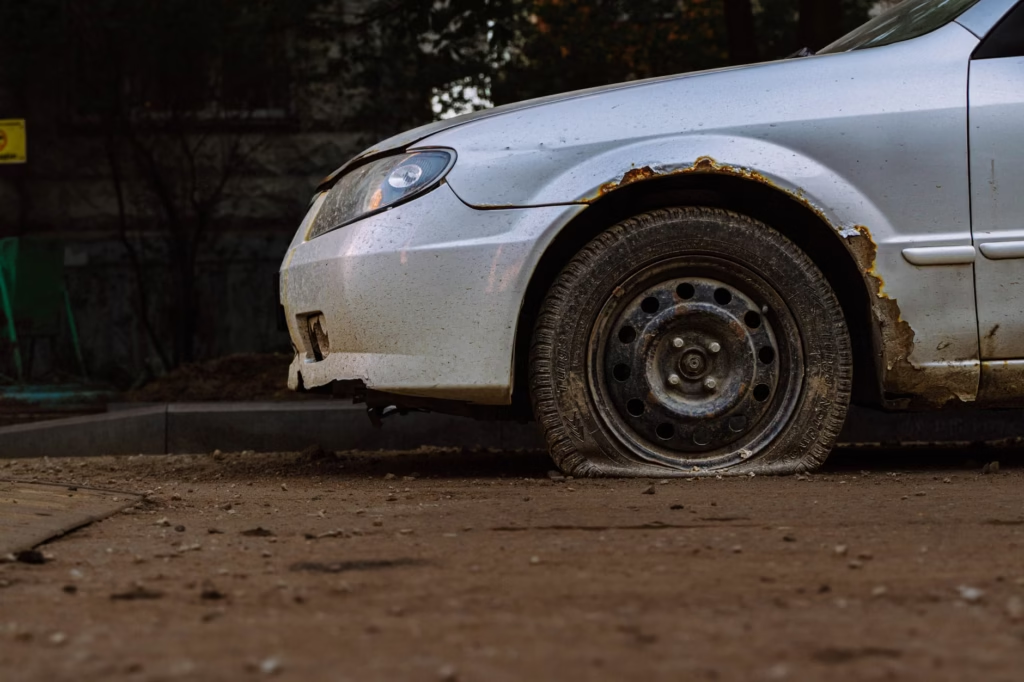
On the second pass, read the body like a story. You are looking for evidence of collision repair, water intrusion, neglected maintenance, or current safety needs. Some cosmetic flaws are cheap. Structural uncertainty is not. Washington State’s consumer guidance tells buyers to look for frame or collision repair signs, flood damage, and missing or ill-fitting body parts. NHTSA separately warns buyers to look for unusual rust or corrosion and hidden mud or waterlines when screening for flood damage. (atg.wa.gov)
| What you notice | Why it matters | What to do next |
|---|---|---|
| VIN or seller documents do not line up | Possible title, theft, or ownership problem | Stop until the paperwork is resolved in writing. (vehiclehistory.bja.ojp.gov) |
| Musty odor, heavy deodorizer, mud in the trunk or glove box, or waterline marks | Possible flood damage; electrical and corrosion problems can surface later | Check title history and assume the car needs a very skeptical inspection. (nhtsa.gov) |
| Tires at or below 2/32 inch, uneven wear, cuts, cracks, or bulges | Immediate tire expense and possible maintenance or alignment concerns | Budget for tires now and ask a mechanic why the wear is irregular. (nhtsa.gov) |
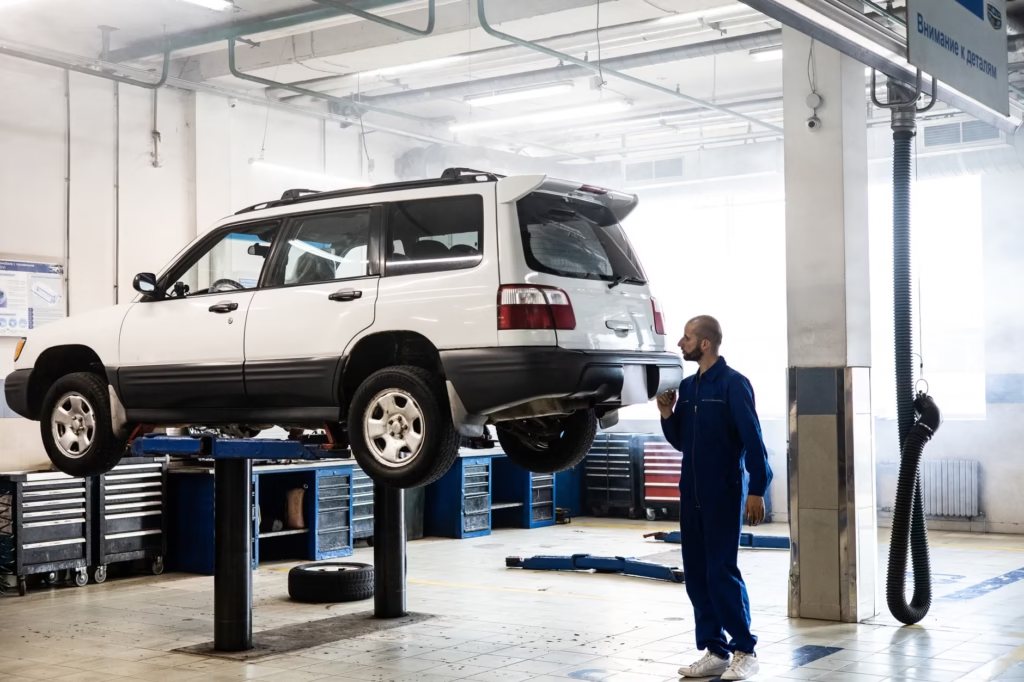
| Unusual rust underneath or damage around the frame and underbody | Could point to flood exposure, corrosion, or poor repair quality | Inspect the car on a lift before buying. (nhtsa.gov) |
| Airbag, brake, check-engine, or TPMS lights stay on | The car may have safety, emissions, or maintenance faults that need diagnosis | Do not assume it is a cheap sensor; get a written repair estimate. (nhtsa.gov) |
| Windshield cracks, missing lights, or obvious wiper issues | Basic visibility and safety items may need immediate repair | Price the work before you negotiate. (nhtsa.gov) |
Tires deserve extra attention because they collapse several questions into one glance: safety, maintenance habits, and near-term cost. NHTSA says tires are unsafe at 2/32 inch tread, recommends using the treadwear indicators or the penny test, and notes that some manufacturers recommend replacement at six to 10 years regardless of tread. Check all four tires and the spare, not just the front pair. (nhtsa.gov)
Pass 3: Check the cabin, controls, and parked systems before the drive
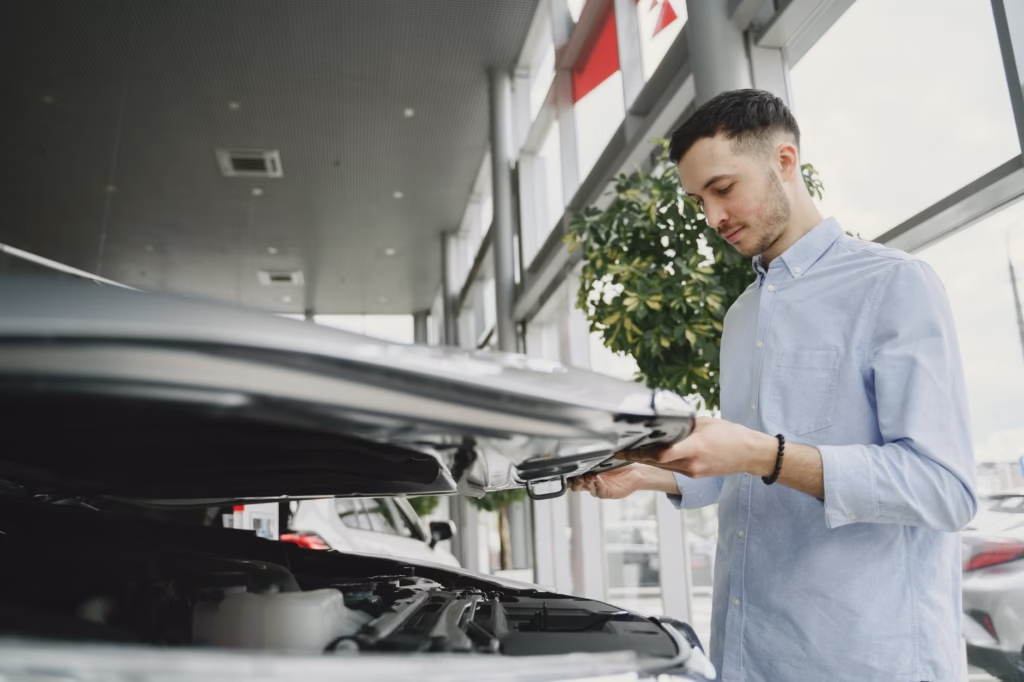
The third pass happens with the car parked and then idling. Test every function a repair shop would bill you to fix: windows, locks, mirrors, wipers, washers, horn, lights, climate control, and any obvious power accessories. Also check that the spare tire and jack are present. These items are easy to ignore during a short visit, but electrical and convenience repairs can quickly turn a good deal into a mediocre one. (nhtsa.gov)
- Look and smell before you drive. Fresh fluid leakage, a gasoline odor, burned smells, or a rough idle all justify extra caution. FTC repair guidance points to fuel smells, burning odors, rough idling, stalling, and brake symptoms as problems worth diagnosing rather than guessing about. (nhtsa.gov)
- If safety warning lights stay illuminated, treat them as defects to price and diagnose, not as dashboard trivia. That is especially true for airbag lights and tire-pressure warnings. (nhtsa.gov)
- For vehicles with cameras or driver-assistance features, verify that the visible hardware is present and that the features actually operate on the drive. NHTSA notes that manufacturers use different names for these systems, so do not assume you know what the car has from the badge or trim name alone. (nhtsa.gov)
- For EVs and hybrids, do not try to judge the high-voltage system yourself. NHTSA says service should be performed by a qualified technician with EV-specific high-voltage training, and flood exposure is a much more serious red flag on electrified vehicles. (nhtsa.gov)
A clean cabin and a quiet idle do not clear the car. DOJ and FTC guidance both stress that title-history data and visual checks cannot replace an independent mechanical inspection. (vehiclehistory.bja.ojp.gov)
Pass 4: Turn the test drive into a diagnosis
The test drive should be a diagnosis, not a joyride. DOJ buying tips specifically recommend varied road conditions: hills, highway speeds, and stop-and-go traffic. That matters because different faults appear under different loads. (vehiclehistory.bja.ojp.gov)
- Start in a parking lot or side street. Listen for clunks over bumps, feel for steering heaviness, and note whether the car tracks straight at low speed. (atg.wa.gov)
- In town, test stop-and-go behavior. You want smooth starts, predictable shifts, no stalling, and no hesitation that feels worse than normal throttle response for that model. FTC repair guidance flags rough idling, hard shifts, delayed engagement, and poor response as symptoms worth investigating. (consumer.ftc.gov)
- At higher speed, look for vibration through the seat or steering wheel, wandering, abnormal wind or tire noise, and any pull during braking. Brakes should feel firm and the car should not dart to one side. (consumer.ftc.gov)
- If equipped, try cruise control and key driver-assistance features on an appropriate road. Verify function, but remember that assistance systems are not self-driving systems and still require driver attention. (nhtsa.gov)
- After the drive, park, let the engine idle briefly, and check again for fresh leaks, hot smells, warning lights, or cooling behavior that seems abnormal. (nhtsa.gov)
Imagine two similar used compact SUVs. One is cheaper and looks freshly detailed, but it has mismatched tires, an unresolved recall, and a musty trunk. The other has ordinary paint chips but matching VINs, consistent service records, even tire wear, and no warning lights. The second car is usually the better buy even before a mechanic sees it, because the first car carries multiple layers of uncertainty. And if a mechanic later assigns repair costs to the second car’s routine needs, the FTC notes you can use that written estimate in negotiation. (nhtsa.gov)
When to stop inspecting and walk away
- The seller will not share the VIN, will not allow a varied test drive, or blocks an independent inspection. (consumer.ftc.gov)
- The title, VIN, mileage, or seller paperwork does not make sense when cross-checked. (nhtsa.gov)
- There are flood clues, a salvage or rebuilt story you cannot verify, or signs the seller is masking odors or water damage. (nhtsa.gov)
- Safety-related warning lights stay on, the tires are unsafe, or the brakes or steering feel wrong. (nhtsa.gov)
- The asking price only works if every unanswered question turns out fine. That is not a deal; it is a gamble.
Special cases that deserve extra caution
Dealer certification can be useful, especially if it includes remaining manufacturer coverage or a clear warranty, but it should not change the inspection sequence. The FTC explicitly says a mechanical inspection is still a good idea even when the car has been certified, inspected by the dealer, or sold with a warranty or service contract. (consumer.ftc.gov)
With a private-party sale, documentation discipline matters even more. There may be less standardized disclosure than on a dealer lot, so the title, lien status, service records, recall history, and the seller’s willingness to allow outside inspection carry more weight. If the story sounds casual but the paperwork is sloppy, believe the paperwork. (consumer.ftc.gov)
On EVs and hybrids, add two questions: was the vehicle ever submerged or flood-damaged, and what battery coverage or battery-health documentation is still available? NHTSA warns that flooded electrified vehicles can create high-voltage shock and fire risks, and Department of Energy consumer materials say buyers should check with the dealer about battery life and warranties. (nhtsa.gov)
Turn inspection notes into a buy, renegotiate, or walk decision
Inspection results only help if you separate ordinary wear from uncertainty. Routine items with clear prices, such as tires, wipers, or a cracked light, can support a lower offer. Hidden-structure questions, title problems, flood clues, or unresolved safety-system concerns should push the decision toward walking away, because the risk is not just cost; it is the chance that the true problem is still unknown. Ask the mechanic for a written report with repair estimates so you can compare cars on total expected spend, not just sticker price. (consumer.ftc.gov)
Common inspection mistakes buyers make
- Treating a clean history report as proof the car is mechanically sound. FTC and DOJ materials say it is not. (vehiclehistory.bja.ojp.gov)
- Not checking recall status because the car feels fine on a quick drive. Open recalls are about identified safety defects, and recall repairs are handled free by the manufacturer’s dealer. (nhtsa.gov)
- Ignoring the tires. They can reveal immediate replacement cost, maintenance neglect, and possible ride concerns at the same time. (nhtsa.gov)
- Letting warranty language stay vague. On dealer cars, the Buyers Guide should tell you whether the vehicle is sold as is or with warranty coverage. (consumer.ftc.gov)
- Paying for the car before the inspection appointment is secured. Once urgency shifts to the buyer, leverage usually disappears.
The best used car inspection checklist is the one that slows you down enough to make a clean decision. Start with the VIN, title, history, and recalls. Then inspect the body and tires, test the parked systems, drive the car under varied conditions, and end with an independent mechanic’s report. A good used car will survive that process. A bad one usually asks you to skip part of it. (nhtsa.gov)
FAQ
Is a vehicle history report enough before buying a used car?
No. FTC and DOJ materials both say a vehicle history report is not a substitute for an independent inspection. It can surface title brands, total-loss history, and some theft or flood information, but it may not show current mechanical problems. (vehiclehistory.bja.ojp.gov)
Should I buy a used car with an open recall?
At minimum, know about the recall before you buy. NHTSA says recall repairs are free through the manufacturer’s dealer, but the smarter move is often to have the repair completed before purchase or to delay the deal until you understand the risk and repair timeline. If a recall involves a do-not-drive warning or a serious safety issue, walking away or postponing the purchase is the safer call. (nhtsa.gov)
What if the dealer or seller will not allow an independent inspection?
That is a red flag. The FTC says to consider another dealer if outside inspection is not allowed, and it suggests mobile inspection services or asking the dealer to bring the car to a facility you choose if off-lot driving is restricted. (consumer.ftc.gov)
Is certified pre-owned enough protection?
Not by itself. Certification may improve the paperwork, warranty, or reconditioning standard, but the FTC still recommends a mechanical inspection even if the car has been certified or inspected by the dealer. (consumer.ftc.gov)
What changes if I am buying a used EV or hybrid?
Put more weight on flood history, battery-related documentation, and who will inspect the car. NHTSA says high-voltage systems should be serviced by qualified EV-trained technicians, and it warns that flood-damaged electrified vehicles can create shock and fire risks. DOE consumer guidance also says to check battery life and warranty information with the dealer. (nhtsa.gov)
Can a rebuilt-title car ever make sense?
Sometimes, but only with unusually good documentation, a strong independent inspection, and pricing that clearly reflects the risk and reduced marketability. NHTSA notes that flood- or salvage-damaged vehicles can be rebuilt and resold if properly titled, but brand history exists for a reason and many buyers are better off being selective rather than optimistic. (nhtsa.gov)
References
- Federal Trade Commission – Buying a Used Car From a Dealer – https://consumer.ftc.gov/articles/buying-used-car-dealer
- Federal Trade Commission – Dealer’s Guide to the Used Car Rule – https://www.ftc.gov/business-guidance/resources/dealers-guide-used-car-rule
- Federal Trade Commission – Auto Repair Basics – https://consumer.ftc.gov/articles/0211-auto-repair-basics
- National Highway Traffic Safety Administration – Check for Recalls – https://www.nhtsa.gov/recalls
- National Highway Traffic Safety Administration – Odometer Fraud – https://www.nhtsa.gov/vehicle-safety/odometer-fraud
- National Highway Traffic Safety Administration – Tire Safety Ratings and Awareness – https://www.nhtsa.gov/vehicle-safety/tires
- National Highway Traffic Safety Administration – Hurricane- and Flood-Damaged Vehicles – https://www.nhtsa.gov/hurricane-and-flood-damaged-vehicles
- National Highway Traffic Safety Administration – Driver Assistance Technologies – https://www.nhtsa.gov/vehicle-safety/driver-assistance-technologies
- National Highway Traffic Safety Administration – Electric and Hybrid Vehicles: Battery, Charging & Safety – https://www.nhtsa.gov/vehicle-safety/electric-and-hybrid-vehicles
- Bureau of Justice Assistance – Used Car Buying Tips (NMVTIS) – https://vehiclehistory.bja.ojp.gov/nmvtis_buyingtips
- Bureau of Justice Assistance – Understanding an NMVTIS Vehicle History Report – https://vehiclehistory.bja.ojp.gov/nmvtis_understandingvhr
- Washington State Office of the Attorney General – Buying Precautions & Used Car Considerations – https://www.atg.wa.gov/buying-precautions-used-car-considerations