

Cars usually do not fail all at once. They get a little louder, a little shakier, a little harder to start, or a little less predictable under braking long before they leave someone stranded. The problem is that many drivers treat maintenance as a single event, usually an oil change, when it works much better as a repeatable system.
TL;DR
- Use the owner’s manual as the master schedule for service intervals, fluid specifications, tire pressures, and model-specific items. Some vehicles also use condition-based maintenance reminders rather than one fixed mileage rule. (nhtsa.gov)
- Do a five-minute walk-around every month and before long trips: tires, tread, lights, wipers, visible leaks, washer fluid, and anything unusual on the dashboard. (nhtsa.gov)
- At each shop visit, ask for measurements instead of vague opinions: tread depth, brake pad thickness, battery test results, and the source of any leak or uneven wear. Manufacturer service systems commonly pair oil service with inspections of brakes, fluid condition, and related components. (owners.honda.com)
- Maintenance is not only calendar-based. New vibrations, pulling, grinding, overheating, a red warning light, or a fuel smell should move the car immediately into diagnosis mode. Also check open recalls by VIN, because a well-maintained vehicle can still have an unresolved safety recall. (ford.com)
Start with the owner’s manual, not a generic sticker
The most important rule in car maintenance is simple: the manual outranks generic advice. It tells the driver which oil grade the engine expects, the correct tire pressure for that vehicle, which fluids are actually serviceable, and which items are mileage-based, time-based, or condition-based. NHTSA’s maintenance guidance points drivers back to the owner’s manual for regularly required service, and manufacturer systems such as Honda’s Maintenance Minder show why a universal maintenance interval does not fit every vehicle. (nhtsa.gov)
If the manual and a quick-lube windshield sticker disagree, use the manual unless a qualified technician identifies a documented reason to service the car sooner.
Use the five-minute walk-around and first-mile check
A complete checklist only works if it is realistic. The easiest method for most drivers is a short inspection before the car becomes a project: one quick walk-around in the driveway or parking lot, then a deliberate first mile after starting out. This catches the problems most likely to change between scheduled services, especially tires, lights, wipers, leaks, and early warning signs from the steering, brakes, or cooling system. (nhtsa.gov)
- Look under and around the car before driving. New puddles, shiny wet spots, or a sudden lean at one corner can point to a leak or a tire that lost air overnight.
- Walk around the tires. Once a month, and before longer trips, check pressure with a gauge when the tires are cold, inspect tread depth, and look for cuts, bulges, cracks, punctures, or uneven wear. TPMS helps, but it does not replace a manual pressure check. (nhtsa.gov)
- Check visibility items. Test headlights, brake lights, turn signals, and hazard flashers from time to time, and inspect wiper blades and washer fluid before weather or road grime makes them urgent. (nhtsa.gov)
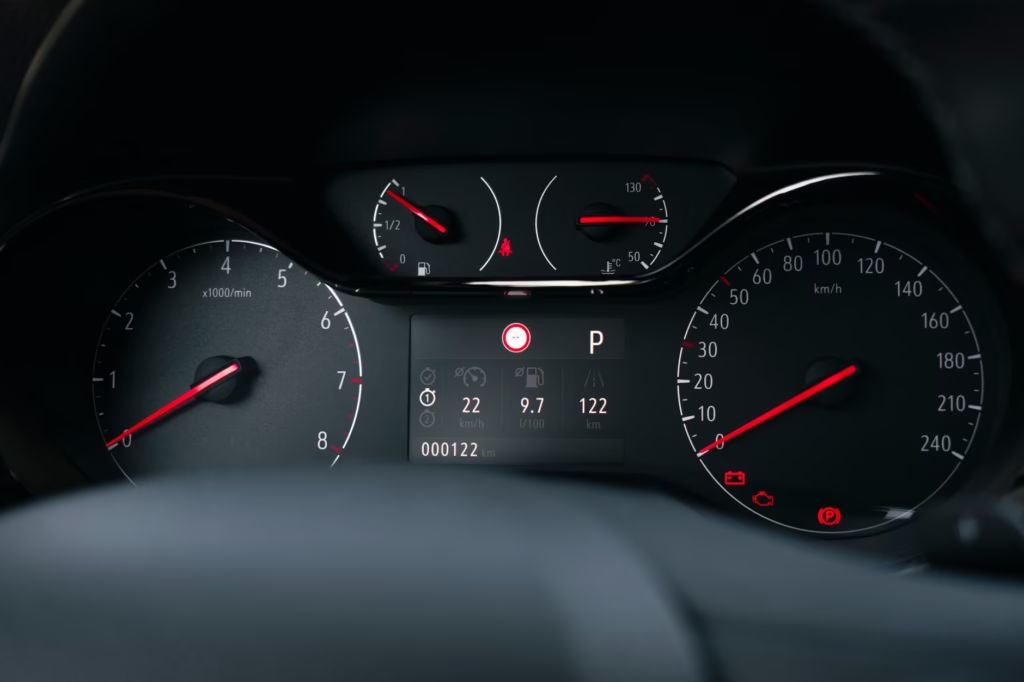
- At startup, pay attention to the dashboard. If a warning light is unfamiliar, use the owner’s manual right away rather than guessing what it means. A warning that remains on, especially for brakes, oil pressure, or temperature, should not be brushed off. (ford.com)
- During the first mile, notice how the car feels. Pulling, vibration, grinding, a soft brake pedal, or a temperature gauge climbing faster than normal are not background noise; they are maintenance signals. (ford.com)
The complete maintenance checklist by interval
| When to do it | What belongs here | Signals to watch for | Why it matters |
|---|---|---|---|
| Monthly or before a long trip | Tire pressure and tread, spare tire condition, lights, wipers, washer fluid, visible leaks, dashboard warnings, basic battery behavior | Low pressure, uneven tread, cuts or bulges, dim or failed lamps, streaking blades, fresh drips, slow cranking | These are the items most likely to change between service visits and the easiest to catch early. (nhtsa.gov) |
| At each scheduled service visit | Oil service if due, tire rotation if due, brake inspection, fluid condition, leak check, underbody and steering/suspension review | Pads wearing thin, tread wearing unevenly, boots torn, seepage turning into an active leak, contaminated or low fluid | A shop visit should produce measurements and observations, not just a receipt. (owners.honda.com) |
| Every 6 to 12 months | Battery and charging-system test, road-hazard or underbody inspection, alignment review if the car pulls, cleaning and inspection of headlight lenses | Corrosion, weak battery results, impact damage, wheel damage, abnormal tire wear, cloudy lights | Seasonal stress and pothole damage often show up here, even if mileage is modest. (nhtsa.gov) |
| By the manufacturer’s schedule | Transmission fluid if specified, coolant, brake fluid, spark plugs, engine and cabin air filters, drive belt, timing belt if equipped | Items that age quietly or are tied to vehicle design rather than daily symptoms | These are the services drivers postpone most often because the car may seem fine right up until the bill gets larger. (owners.honda.com) |
| Immediately when symptoms appear | Red warning lights, overheating, sudden braking changes, fuel smell, severe vibration, rapid fluid loss, visible tire damage | Anything that changes safety, drivability, or the chance of a breakdown | Not every maintenance event belongs on a calendar. Some belong on a tow truck. (ford.com) |
The useful distinction here is that some work is preventive, some is scheduled, and some is triggered by symptoms. Drivers who only think in terms of mileage tend to miss the third category, which is where many expensive or safety-critical problems first announce themselves. (owners.honda.com)
What to handle monthly
Tires deserve the most attention because they affect braking, steering, ride quality, and fuel use all at once. NHTSA recommends checking pressure at least once a month when the tires are cold, using the pressure listed on the vehicle placard or in the manual, not the maximum number molded onto the tire. NHTSA also says tires should be replaced when tread is worn to 2/32 inch, and it notes that TPMS warnings typically appear only when a tire is significantly underinflated, which is why the gauge still matters. Uneven wear usually means more than normal aging: it can point to missed rotations, alignment problems, or suspension issues. (nhtsa.gov)
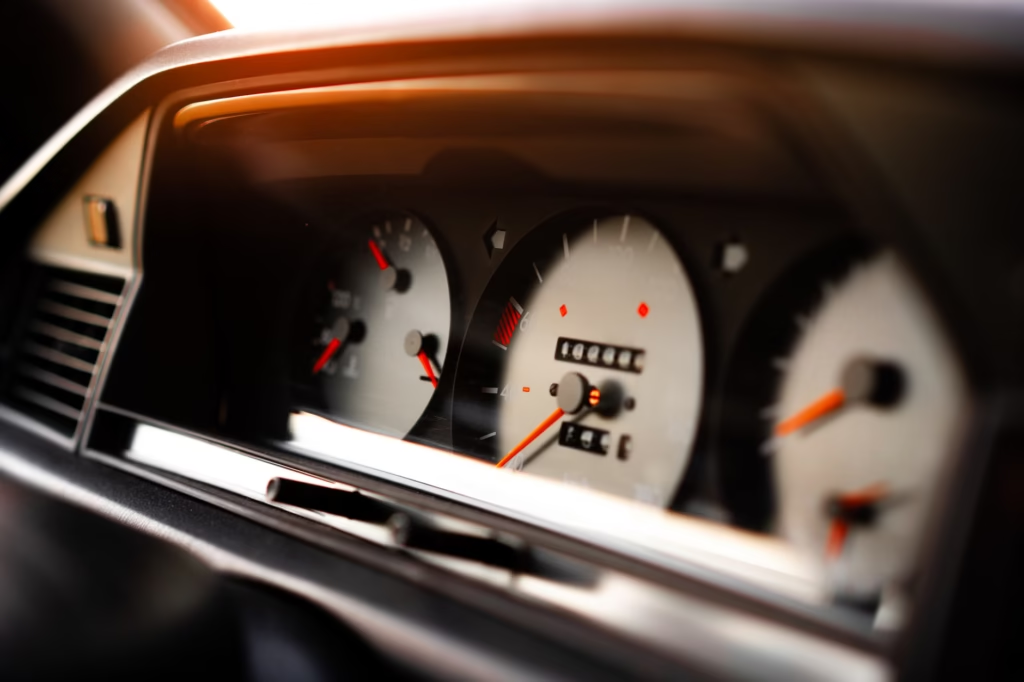
Fluids, lights, and wipers belong in the same monthly routine because they are simple to inspect and easy to forget. NHTSA advises drivers of conventional vehicles and hybrids to check engine oil periodically and also review brake fluid, transmission or clutch fluid, power steering fluid where applicable, and washer fluid. If a reservoir is low again soon after topping off, or if there are signs of leakage, the better move is diagnosis, not endless refilling. The same logic applies to lights and wipers: a dim brake lamp or streaking blade is minor until it becomes a visibility or safety problem in bad weather or traffic. (nhtsa.gov)
Battery checks do not need to be dramatic. The practical signals are a slower-than-normal crank, dimming during startup, corrosion around accessible terminals, or a car that has recently needed a jump. NHTSA recommends having a mechanic check the battery and charging system for needed repair or replacement. That is especially sensible before seasonal extremes or a long trip. (nhtsa.gov)
What belongs at a scheduled shop visit
A shop visit should do more than swap fluids. NHTSA’s basic maintenance checklist includes routine lighting checks and an annual look underneath the vehicle for road-hazard damage. Manufacturer maintenance systems often tie oil service to broader inspections that include brakes, fluid condition, steering and suspension parts, hoses or lines, and other wear items. In other words, the value of a scheduled visit is not just the oil filter. It is the chance to measure the wear that cannot be seen well from the driveway. (nhtsa.gov)
- Ask for brake pad thickness in millimeters, not simply “good” or “bad.”
- Ask for tire tread depth by tire position, especially if the car pulls or one edge is wearing faster.
- If the battery was tested, ask for the printout or numerical result.
- If a leak was found, ask where it starts, whether it is seepage or active dripping, and what happens if it is deferred.
- If filters are recommended, ask whether they are dirty enough to justify replacement now or simply due by schedule.
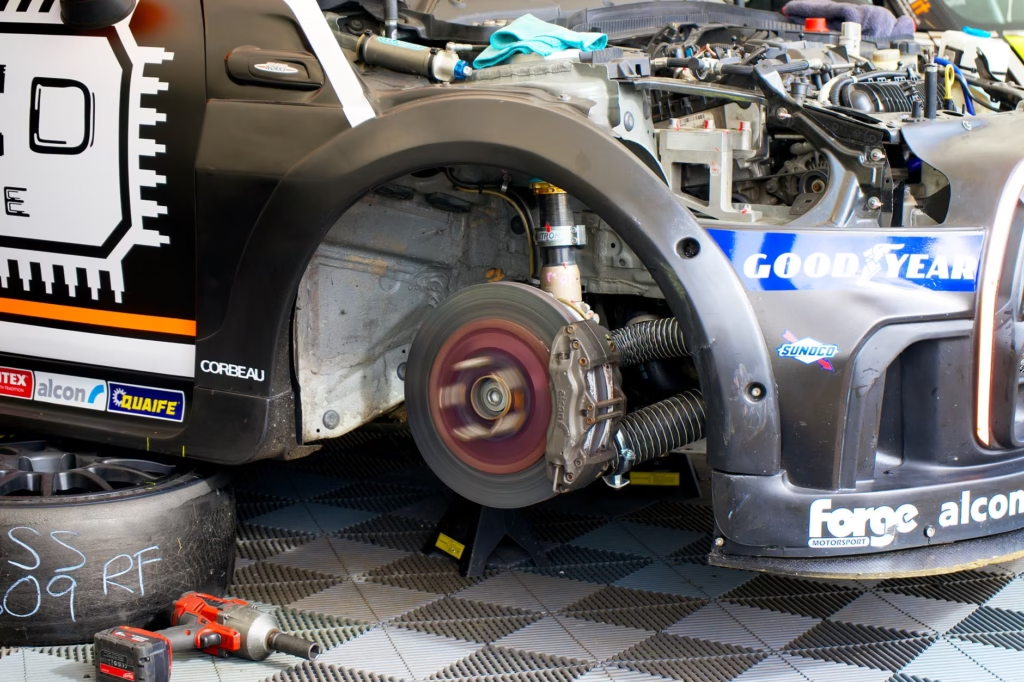
That approach protects against two common errors: authorizing vague upsells and refusing useful service out of frustration with past upsells. Good maintenance decisions are easier when the shop gives observable facts.
The schedule items drivers postpone most often
The most neglected maintenance items are usually the ones that do not change the way the car feels today. That list often includes brake fluid, coolant, transmission fluid where the manufacturer specifies service, spark plugs, air filters, and on some vehicles a drive belt or a timing belt and water pump. Honda’s published Maintenance Minder documents are a useful example of how specific this can get: they tie oil life to operating conditions, call out tire rotation and brake inspection, shorten some filter or fluid service under certain conditions, and on some models include timing belt and water pump replacement. The lesson is not that every car needs the same list on the same day. The lesson is that quiet, schedule-based items still matter even when the vehicle seems to run normally. (owners.honda.com)
Low annual mileage does not cancel time-based maintenance. Some manufacturer schedules include calendar-based service, such as brake fluid replacement, even when a car is driven relatively little. (owners.honda.com)
How to read symptoms before they become repairs
A useful maintenance checklist is not only about what to inspect. It is also about how to interpret changes. Manufacturer service guidance identifies warning signs such as grinding, a squishy or soft brake pedal, steering wheel shudder, and brake warning lamps. NHTSA guidance adds the same kind of practical urgency around tire damage, fluid leaks, and cooling-system problems. The right mindset is simple: when the car suddenly feels different, the maintenance interval has arrived whether the calendar agrees or not. (ford.com)
- A car that pulls to one side, or a tire with one shoulder wearing faster than the other, needs more than extra air. Think pressure first, then rotation, alignment, wheel damage, or suspension wear. (nhtsa.gov)
- Grinding, strong brake shudder, or a soft brake pedal should move straight to brake inspection. That is not a “watch it for a while” problem. (ford.com)
- A rising temperature gauge, a sweet smell, or coolant loss should be treated cautiously. Driving an overheating engine farther is often how a manageable repair becomes a major one. (nhtsa.gov)
- Fresh oil, coolant, or other fluid spots under the car deserve source identification. Topping off can buy time in some cases, but it does not answer why the fluid is disappearing. (nhtsa.gov)
- Severe vibration after striking a pothole or curb can mean tire or wheel damage even if the tire is not visibly flat. NHTSA notes that a tire can suddenly lose pressure after that kind of impact. (nhtsa.gov)
A realistic road-trip example
Consider a hypothetical driver doing the five-minute check the weekend before a 300-mile trip. The right-front tire is noticeably lower than the others, the outer shoulder of that tread looks more worn, and the washer reservoir is nearly empty. Adding air is only step one. When the same tire loses pressure again by the next morning, that becomes a repair appointment, not a longer drive. The shop finds a small puncture and confirms the car is overdue for tire rotation, with alignment recommended because of the uneven shoulder wear. That is exactly what a checklist is supposed to do: turn a roadside problem into scheduled maintenance while the car is still in the driveway. NHTSA specifically recommends monthly tire checks and checking before long trips. (nhtsa.gov)
Common maintenance mistakes that quietly shorten vehicle life
- Using the pressure molded onto the tire sidewall instead of the vehicle placard on the door jamb. NHTSA is explicit that the sidewall number is not the recommended vehicle pressure. (nhtsa.gov)
- Treating the TPMS light as a complete tire-care plan. TPMS warns about significant underinflation; it does not replace monthly manual checks for pressure, damage, or tread. (nhtsa.gov)
- Ignoring time-based service because the car is driven only occasionally. Manufacturer schedules can still require calendar-based brake fluid, oil, or other maintenance. (owners.honda.com)
- Assuming an EV needs almost no maintenance. DOE says battery-electric vehicles usually need less scheduled maintenance than conventional vehicles, but tires, brakes, wipers, cabin systems, and some coolant checks still matter, while hybrids and plug-in hybrids remain closer to conventional maintenance needs. (afdc.energy.gov)
- Saying no to every recommendation because some shops oversell. The better move is to demand measurements, compare them to the manual, and make a documented decision.
- Forgetting recalls because the car feels normal. NHTSA’s VIN tool checks for incomplete safety recalls from the last 15 years, and very recent recalls may not have all VINs loaded yet. (vinrcl.safercar.gov)
When not to keep driving
Stop and get qualified help if a red brake warning stays on, the oil-pressure warning appears, the engine is overheating, braking performance drops suddenly, there is a strong fuel smell, a tire shows a sidewall bulge or severe damage, or the car develops violent vibration after an impact. Specific warning-light meanings vary by model, so the owner’s manual still matters, but these are not routine “check it next month” situations. (ford.com)
Turn the checklist into a habit
- Put two reminders on the calendar: one recurring monthly check and one annual underbody or comprehensive inspection. (nhtsa.gov)
- Keep a small maintenance kit in the car or garage: tire-pressure gauge, flashlight, glass cleaner, washer fluid, and a place to record dates and mileage.
- At service visits, compare recommendations against the owner’s manual and ask for actual measurements before approving work. (owners.honda.com)
- Check recall status after buying a used car, before major trips, and a few times a year. (vinrcl.safercar.gov)
A complete maintenance checklist is not about turning every driver into a technician. It is about knowing which small checks prevent bigger problems, which services belong to the manufacturer’s schedule, and which symptoms should override the schedule entirely. Follow the manual, inspect the basics regularly, and respond early when the car starts telling a different story. (nhtsa.gov)
FAQ
How often should a car be checked if it is barely driven?
Low mileage helps, but it does not eliminate maintenance. NHTSA still recommends monthly tire checks, routine light checks, and periodic fluid checks, and manufacturer schedules can include time-based service such as brake fluid or oil intervals even when mileage is low. (nhtsa.gov)
Is following the oil-life monitor enough?
For a vehicle designed with an oil-life or maintenance-monitoring system, it is a major part of the plan, but not the whole plan. Honda’s system, for example, calculates remaining oil life from operating conditions and pairs oil service with other maintenance items, while NHTSA still advises drivers to check oil level periodically on conventional vehicles and hybrids. (owners.honda.com)
Do electric vehicles use the same checklist?
Partly. DOE says battery-electric vehicles usually require less scheduled maintenance because they have fewer moving parts and fewer fluids to change, and regenerative braking can reduce brake wear. But EVs still need tire care, light checks, wipers, suspension attention, and any manufacturer-specified coolant or battery-system inspections. Hybrids and plug-in hybrids remain closer to conventional maintenance needs because they still have internal-combustion components. (afdc.energy.gov)
What is the smartest question to ask a repair shop?
Ask, “What did you measure, and what is the manufacturer’s specification or service threshold?” That question works for brakes, tread depth, battery tests, leaks, and filters because it turns a sales conversation into a maintenance decision.
How often should recall status be checked?
A practical routine is to check recalls after buying a used vehicle, before long trips, and a few times a year. NHTSA’s VIN lookup covers incomplete safety recalls from the last 15 calendar years, though it may not include every VIN immediately after a recall is announced. (vinrcl.safercar.gov)
References
- NHTSA: Tire Safety Ratings and Awareness – https://www.nhtsa.gov/vehicle-safety/tires
- NHTSA: Summer Driving & Road Trip Tips – https://www.nhtsa.gov/summer-driving-tips
- NHTSA: Adapted Vehicles / Vehicle Safety Checklist – https://www.nhtsa.gov/vehicle-safety/adapted-vehicles
- NHTSA: Recalls Look-up by VIN – https://vinrcl.safercar.gov/vin/Quick
- U.S. Department of Energy AFDC: Maintenance and Safety of Electric Vehicles – https://afdc.energy.gov/vehicles/electric-maintenance?mod=article_inline
- Honda Owners: Maintenance Minder System (2022 Insight) – https://owners.honda.com/utility/download?path=%2Fstatic%2Fpdfs%2F2022%2FInsight%2F2022_Insight_Maintenance_Minder_System.pdf
- Honda Owners: Maintenance Minder System (2023 Ridgeline) – https://owners.honda.com/utility/download?path=%2Fstatic%2Fpdfs%2F2023%2FRidgeline%2FMY23_Ridgeline_Maintenance_Minder_System.pdf
- Ford Support: Brake Service Advice – https://www.ford.com/support/how-tos/more-vehicle-topics/brakes/brake-service-advice/
- Ford Support: What Do the Lights on My Dashboard Mean? – https://www.ford.com/support/how-tos/more-vehicle-topics/lights-and-bulbs/what-do-the-lights-on-my-dashboard-mean/
- Ford Support: Guidelines for Healthy Vehicle Maintenance – https://www.ford.com/support/how-tos/ford-services/parts-and-service/guidelines-for-healthy-vehicle-maintenance/