

The safest place to start with car maintenance is not major repair work. It is simple inspection, basic upkeep, and a few low-consequence replacements. Good beginner tasks usually share the same qualities: the car stays on the ground, the engine is cool, the steps are easy to confirm, and a small mistake is unlikely to create an immediate safety hazard. That puts tire checks, wiper blades, washer fluid, oil-level checks, exterior lights, and, in many cars, the cabin air filter near the top of the list.
That may sound unglamorous, but it is the right starting point. These jobs build familiarity with what normal looks like under the hood and around the car. They also help prevent a common beginner mistake: jumping straight to brakes, coolant work, or anything that requires getting under the vehicle before learning basic inspection habits.
Start with tires, because they affect safety every time the car moves
If a beginner does only one regular maintenance task at home, tire care is the best choice. NHTSA recommends checking tire pressure at least once a month when the tires are cold, while also watching tread depth and visible damage. That is practical, fast, and genuinely useful because underinflated or damaged tires can change how the car brakes, steers, and rides.
- Use the pressure listed on the driver-side door-jamb sticker or in the owner’s manual, not the maximum PSI molded into the tire sidewall.
- Check pressure before driving, or after the car has been parked for several hours.
- Look for cracks, bulges, nails, or wear that is much heavier on one edge than the other.
- Give the tread a quick check too. If the tire is near its wear bars or obviously shallow, this is replacement territory, not just an air-pressure issue.
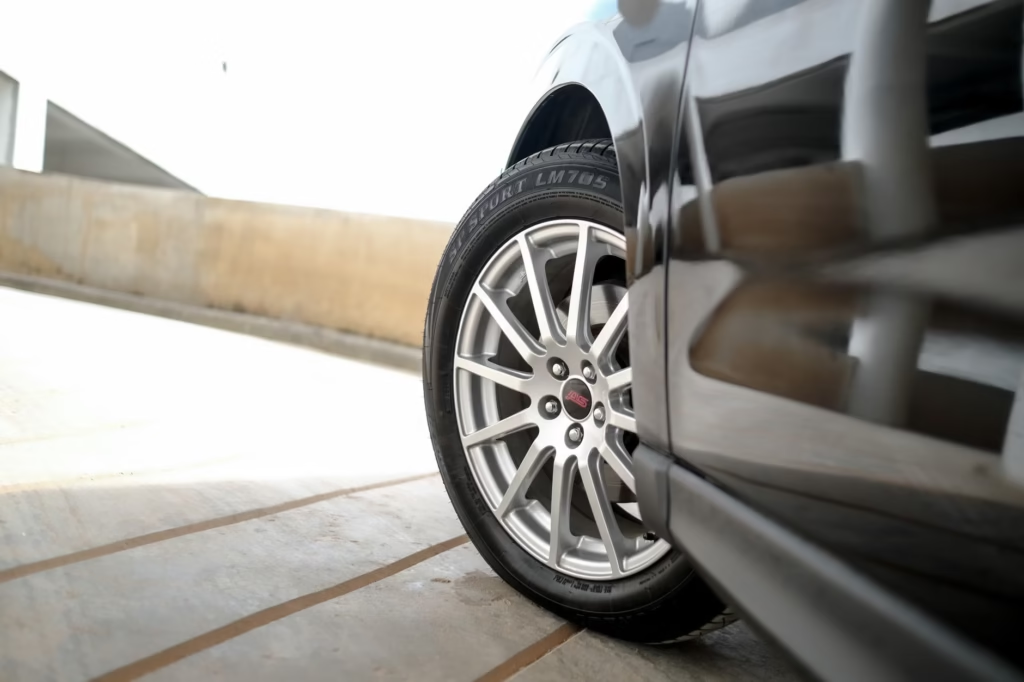
A useful beginner habit is to treat pressure loss and tire damage as different problems. For example, if one tire is a few PSI low after a temperature swing, adding air and checking it again the next morning is reasonable. If that same tire keeps dropping, the DIY task is no longer just maintenance. It has become diagnosis, and a puncture or wheel leak should be checked professionally.
The easiest confidence-builders are visibility and air-quality jobs
Windshield wiper blades are one of the best first replacements because the result is obvious. If the blades streak, skip, chatter, or leave a smeared patch in the driver’s line of sight, replacing them is usually straightforward and low-risk. Washer fluid is even simpler: buy the correct fluid for the season, find the washer reservoir cap, and fill only that reservoir. Do not pour washer fluid into any other opening under the hood.
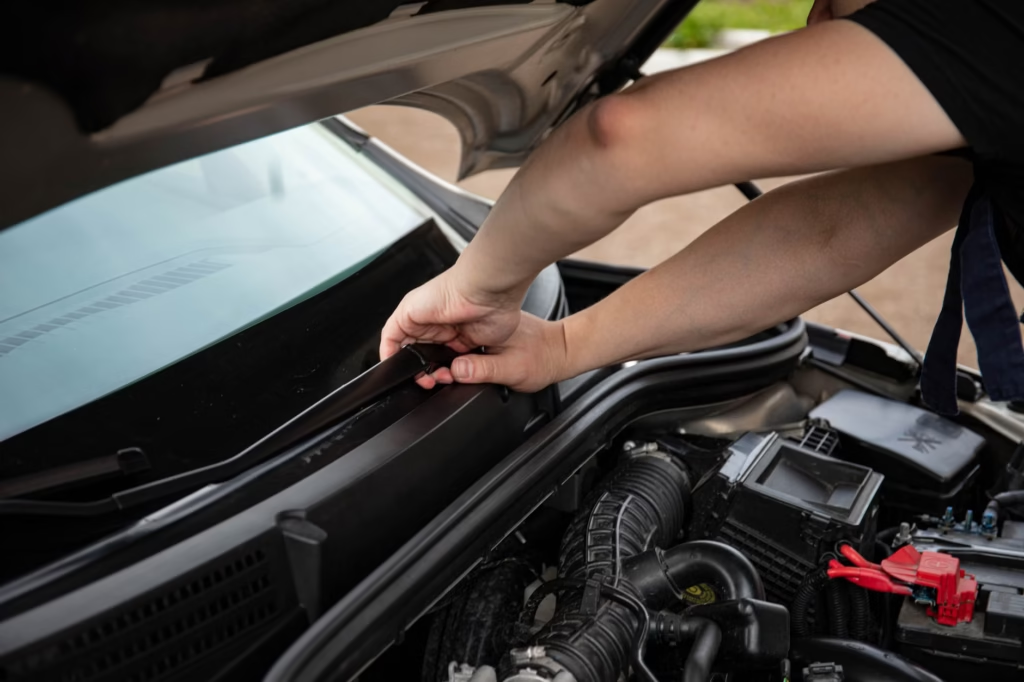
A cabin air filter is another good beginner task when the owner’s manual shows clear access. On many vehicles, it sits behind the glovebox or a trim panel and can be replaced with basic hand tools or no tools at all. The main benefit is comfort rather than mechanical survival: better airflow through the vents, less dust in the cabin, and fewer musty smells. If access requires removing a lot of trim or electrical connectors, it stops being a great first project.
It is also worth adding a 60-second light check to the routine. Turn on the headlights, brake lights, turn signals, and flashers, then walk around the car or ask someone to confirm they work. This is simple, but it matters. A burned-out bulb is easy to ignore until it becomes a visibility or signaling problem.
Checking engine oil is beginner-safe; changing it is a bigger step
- Park on level ground and let the engine cool, or wait the amount of time your owner’s manual specifies.
- Find the dipstick, pull it out, and wipe it clean with a lint-free rag.
- Reinsert it fully, then pull it again and read the level between the marks.
- If the level is low and you know the exact oil specification for the car, add a small amount, then recheck rather than guessing.
- If the oil looks milky, foamy, or full of metal particles, stop there and schedule service.
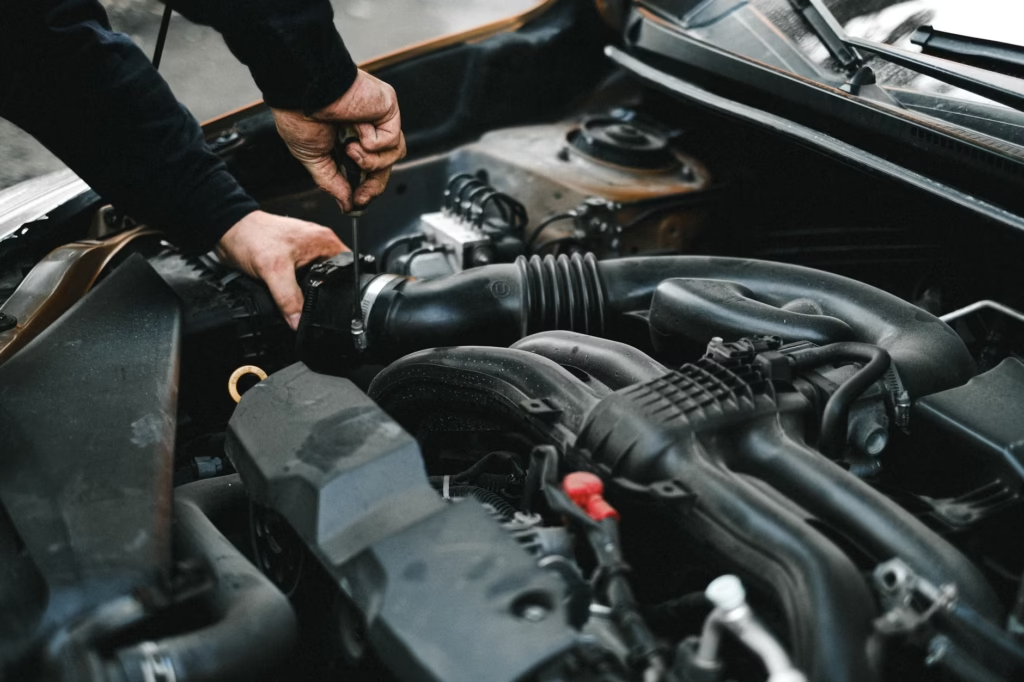
This is a good example of a useful distinction. Checking oil level is basic ownership. An oil change is possible at home, but it is not the first task to hand to a true beginner. Once a drain plug, filter housing, jack point, splash shield, crush washer, exact oil specification, and used-oil disposal all enter the picture, the chance of a messy or expensive mistake rises fast. EPA guidance also makes clear that used oil needs to be handled and recycled properly, not dumped or treated like ordinary trash.
A simple safety filter helps: if the job requires lifting the car, opening a hot or pressurized cooling system, loosening brake components, or working near moving belts or fans, it is probably not a beginner task.
- Usually good starter tasks: tire pressure and tread checks, wiper blades, washer fluid, oil-level checks, exterior light checks, and cabin air filter replacement when access is simple.
- Usually not good starter tasks: brake jobs, coolant flushes, serpentine belts, battery replacement in cramped modern engine bays, suspension work, and anything that requires crawling under a vehicle supported only by a jack.
Beginner DIY car maintenance is less about saving money on day one and more about building judgment. A monthly driveway routine teaches you what your tires, fluids, lights, and filters normally look like. That makes it easier to spot trouble early. Start with the jobs that are visible, cool, and easy to verify. When heat, weight, or safety-critical parts enter the job, paying for professional help is usually the smarter move.