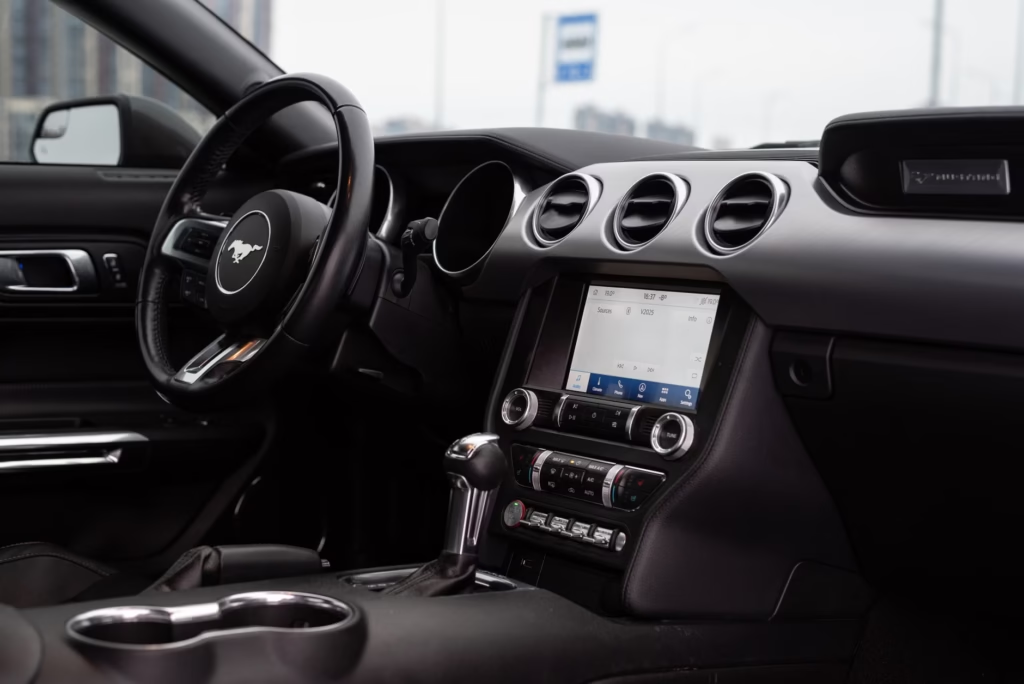
A professional-looking interior rarely comes from using the strongest cleaner you can buy. It usually comes from doing the job in the right order, using less liquid than most people think, and treating each surface as its own material instead of one big mess. That is why a home-cleaned car can still look streaky, shiny, or slightly damp, while a well-detailed interior looks dry, even, and finished.
If the goal is a professional result, think in three passes: remove loose debris, clean by material, then do a slow final inspection. That approach helps prevent the two most common amateur mistakes: turning dust into muddy residue and soaking fabrics so heavily that stains wick back as they dry.
Start with a dry clean, not a spray bottle
First, get everything out of the car: trash, water bottles, charging cables, receipts, child-seat accessories, all of it. Pull out the floor mats. Slide the front seats all the way forward and back so you can reach the seat rails and carpet edges. Interior cleaning is much easier in shade or a garage, because hot surfaces can make cleaners flash off before they lift grime evenly.
- Vacuum with a crevice tool and a soft brush attachment
- Several clean microfiber towels, not one towel for the whole job
- A soft detailing brush for vents, seams, and buttons
- A general interior cleaner or mild cleaner approved for interior trim
- An upholstery cleaner for cloth seats and carpet, if needed
- A separate towel for interior glass
- Vacuum first, starting with cracks, cupholders, seat seams, door pockets, and seat tracks before moving to carpets and mats.
- Brush dust out of vents, stitching, and trim edges while the vacuum is running nearby to catch what comes loose.
- Wipe the upper surfaces next: dashboard, console, door tops, steering wheel, and screens.
- Clean fabric, carpet, and any actual stains last so the car can dry with the doors open or windows cracked.
That dry first pass matters more than people expect. Loose grit is what drags across piano-black trim, makes towels dirty instantly, and turns a quick wipe into streaks. Once the dust is gone, you can see what actually needs product and what only needed a vacuum and a damp microfiber cloth.
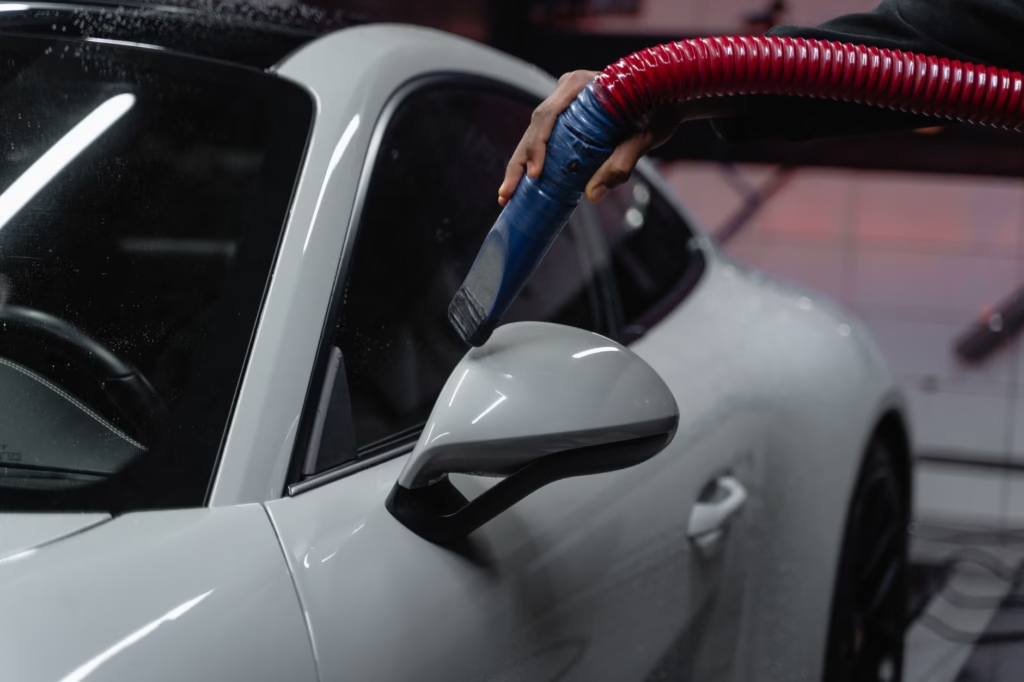
Match the cleaner to the surface, not the mess
For dashboards, door panels, consoles, and most hard trim, spray the towel, not the surface. That gives you more control and helps keep liquid out of switches, seams, and electronics. Use a soft brush around buttons, vents, cupholders, and the shifter, then wipe the loosened dirt away with a dry side of the towel. For screens and gauge covers, use almost no pressure. A lightly damp, clean microfiber is usually safer than trying to scrub fingerprints away.
Routine cleaning usually matters more than disinfection. If the interior is just dusty or sticky, focus on cleaning first. If there is a reason to disinfect high-touch areas, make sure the product is suitable for that exact surface and follow the label directions. More chemical does not create a more professional result. In fact, heavy dressings and glossy protectants often make an interior look worse by leaving glare on the dash and residue on controls.
Cloth seats and carpet need patience more than force. Mist cleaner lightly into a small section, agitate gently with a brush, then blot and lift with a towel. Do not soak the foam underneath unless you have a reliable way to extract and dry it. For a coffee spill on a cloth seat, work from the outside of the stain toward the center, blot repeatedly, and stop once the towel is lifting very little soil. Flooding the area usually spreads the stain and leaves a damp ring behind.
Leather is different again. Vacuum the seams first so grit does not get rubbed across the surface. Then use a cleaner intended for automotive leather or one approved in the owner’s manual. Wipe gently, section by section. If you use conditioner, apply it sparingly after the leather is actually clean. The better finish is soft and natural-looking, not shiny and slippery.
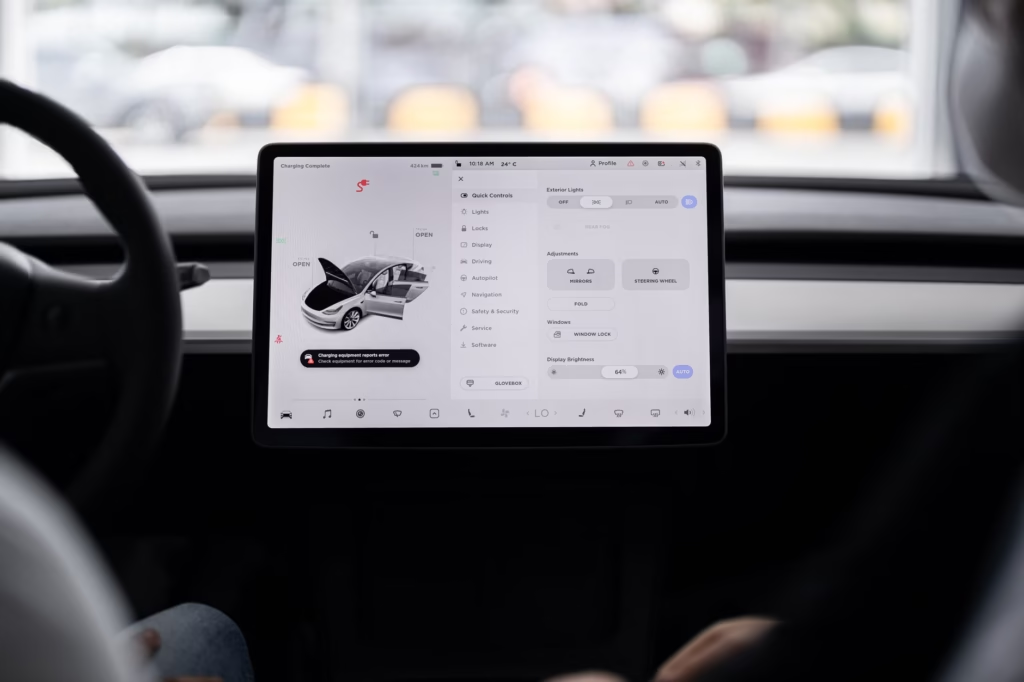
Avoid bleach, strong solvents, abrasive cleaners, and heavy spraying on screens, switches, seat belts, and other interior trim. If you remove a child seat to clean under it, reinstall it exactly according to the child-seat instructions and your vehicle owner’s manual.
The last 10 minutes are what make it look professionally detailed
This is where good interiors separate themselves from merely cleaner ones. Take one dry microfiber towel and buff every surface you already cleaned. That evens out patchy areas and removes leftover residue. Then do a slow visual check from the driver’s seat and again with the doors open. You will usually spot the missed places immediately: the edge of the infotainment screen, the inside door pull, the ring around a cupholder, the lower steering wheel spokes, or crumbs trapped beside the seat rails.
Finish the interior glass last with a dedicated towel so you are not transferring dashboard residue onto it. Reinstall mats only when they are dry. If the car still smells stale, do not reach for fragrance first. Odor usually means something remains in the fabric, under a seat, in a cupholder seam, or in the mats. Clean the source, let the cabin dry fully, and only then decide whether it needs an odor treatment or a cabin air filter check.
The real professional trick is not a secret product. It is discipline: vacuum first, use the mildest effective cleaner, keep moisture under control, and leave every surface clean rather than artificially shiny. Once that becomes a habit, maintaining a car interior gets much faster and deep-clean days get easier.